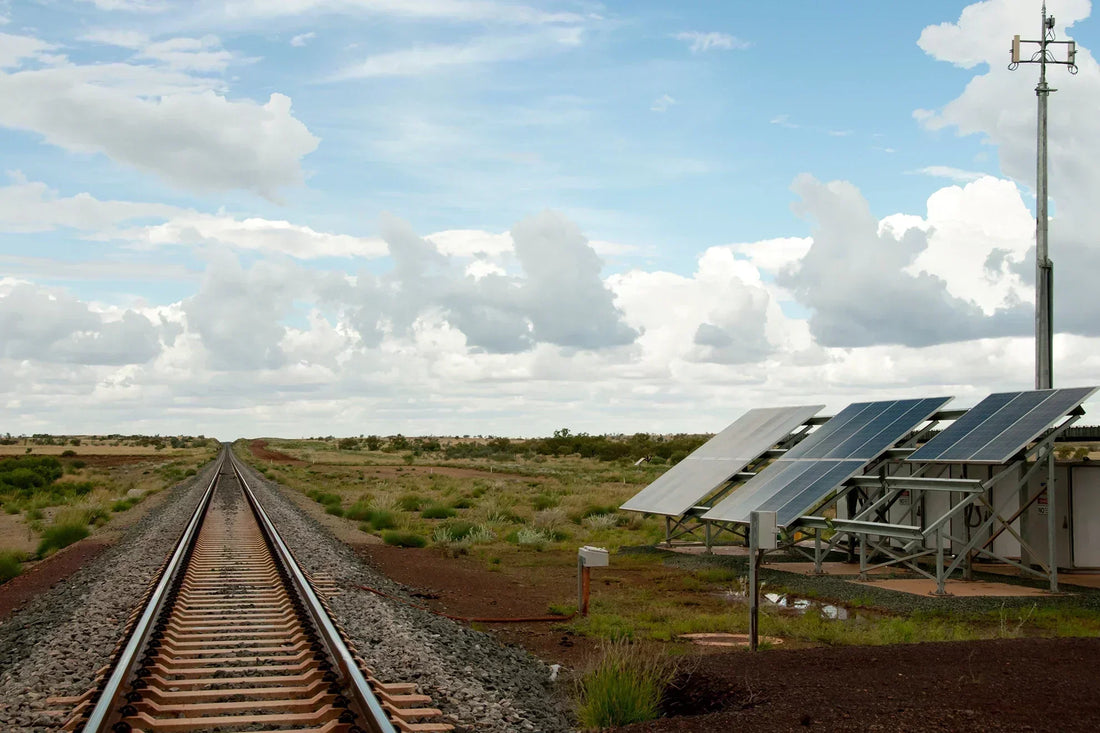

Railway signalling, level crossing, and onboard power infrastructure is expected to operate reliably for decades, often under challenging environmental and mechanical conditions. Yet as global component availability changes and electronic parts reach end-of-life, maintaining long-term supportability of power systems becomes a serious engineering and procurement challenge.
For railway asset owners and contractors, the obsolescence of Battery Chargers, DC/DC converters, Inverters (DC/AC or AC/AC) and other critical power components can introduce unexpected cost, delay, and compliance risk. This is especially true where equipment has been standardised across fleets or fixed infrastructure and is difficult to replace without redesign.

Schaefer's Approach to Obsolescence Management
Powerbox’s long-term partner, Schaefer Elektronik, takes a structured and proactive approach to obsolescence. Unlike many commercial power supply manufacturers who cycle through short product lifespans, Schaefer maintains support for core product families over multiple decades, even as individual components become unavailable.
Schaefer products have been used in Australian rail networks for more than 35 years. Many of the same product families and mechanical designs that were first configured and deployed in the early to mid-1990s are still in active use today. This longevity reflects not only the durability of their designs but also the company’s commitment to maintaining support for legacy systems.

Maintaining Fit, Form, and Function
Schaefer’s product design philosophy centres around maintaining fit, form, and function throughout the lifecycle of its railway product lines. When a semiconductor, capacitor, or other critical part becomes obsolete, Schaefer:
- Identifies and tests alternative components to maintain functional equivalence
- Validates thermal, electrical, and EMC performance against the original specification
- Ensures mechanical dimensions, mounting points, and wiring terminations remain unchanged
- Updates internal part numbers and documentation without affecting external model naming
This process allows continued production of approved and field-proven power supplies, without requiring recertification, system redesign, or field wiring changes.
Case Study: Railway Battery Chargers and Onboard Converters
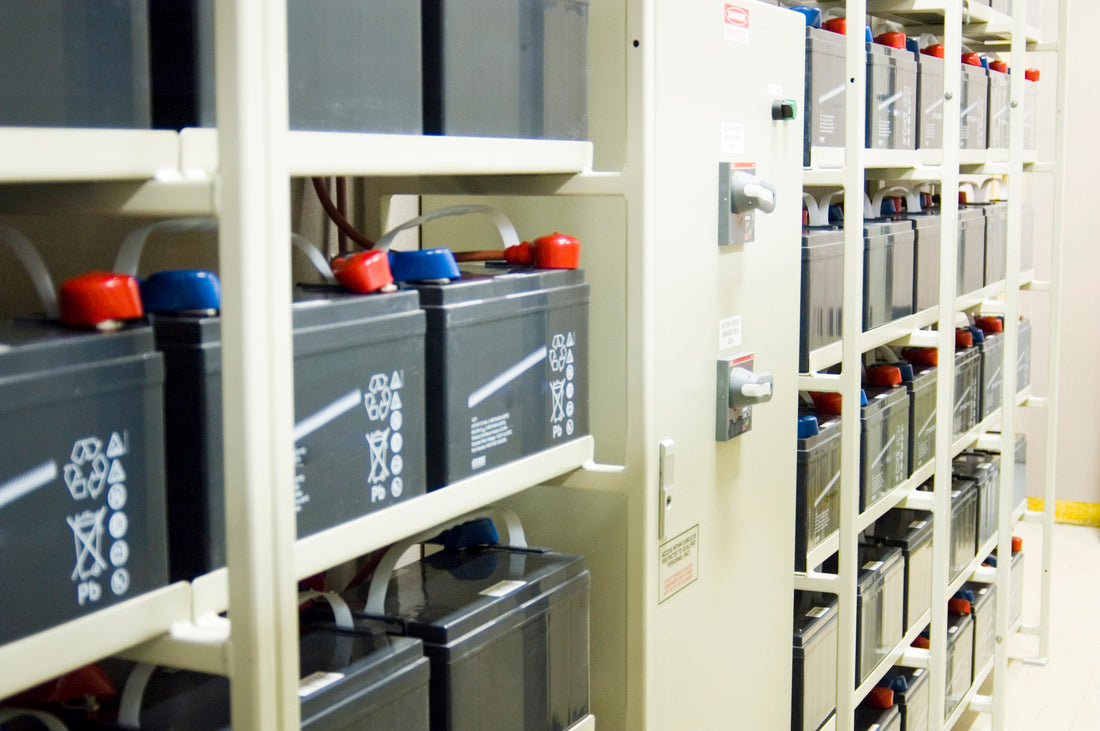
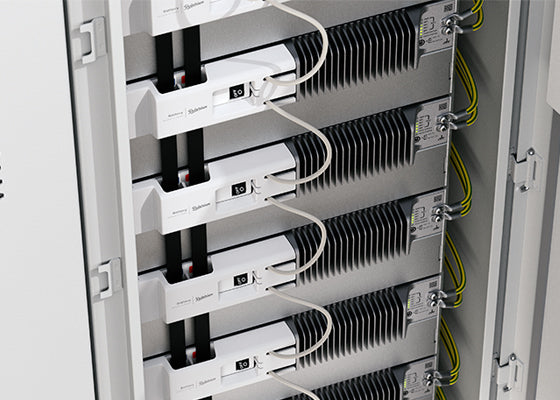
Across Australian rail networks, Schaefer battery chargers and DC/DC converters have been deployed for over 35 years. In signalling, level crossing, and onboard applications such as train HVAC systems, auxiliary converters, and communication modules, component obsolescence has been managed through careful redesign and qualification without altering the system interface.
Rather than discontinuing the product or forcing a redesign, Schaefer updates internal circuitry while keeping enclosure dimensions, terminal locations, mounting arrangements, and electrical characteristics consistent.
Powerbox works with rail customers to supply replacement units or spares that drop in without modification. This reduces installation risk, avoids retesting of safety-critical circuits, and helps maintain configuration control across both trackside and onboard assets.

The Value of Long-Term Support in Rail Projects
- Minimised disruption: No rework of enclosures, cabling, or test plans
- Simplified procurement: Approved part numbers remain valid for life-of-type
- Reduced lifecycle cost: Avoids frequent redesign or dual-inventory burdens
-
Asset consistency: Field technicians and maintenance teams work with familiar, supported platforms
Local Partnership and Documentation Continuity
As Schaefer’s long term Australian partner, Powerbox maintains records of historical supply, type-approved configurations, and technical documentation across both infrastructure and onboard platforms. Where legacy equipment needs to be replaced, we support:
- Compatibility assessments and reverse engineering if required
- Model-matching against legacy part numbers
- Integration of updated units with no change to fit, form, or function
Established Across Australian Rail Networks
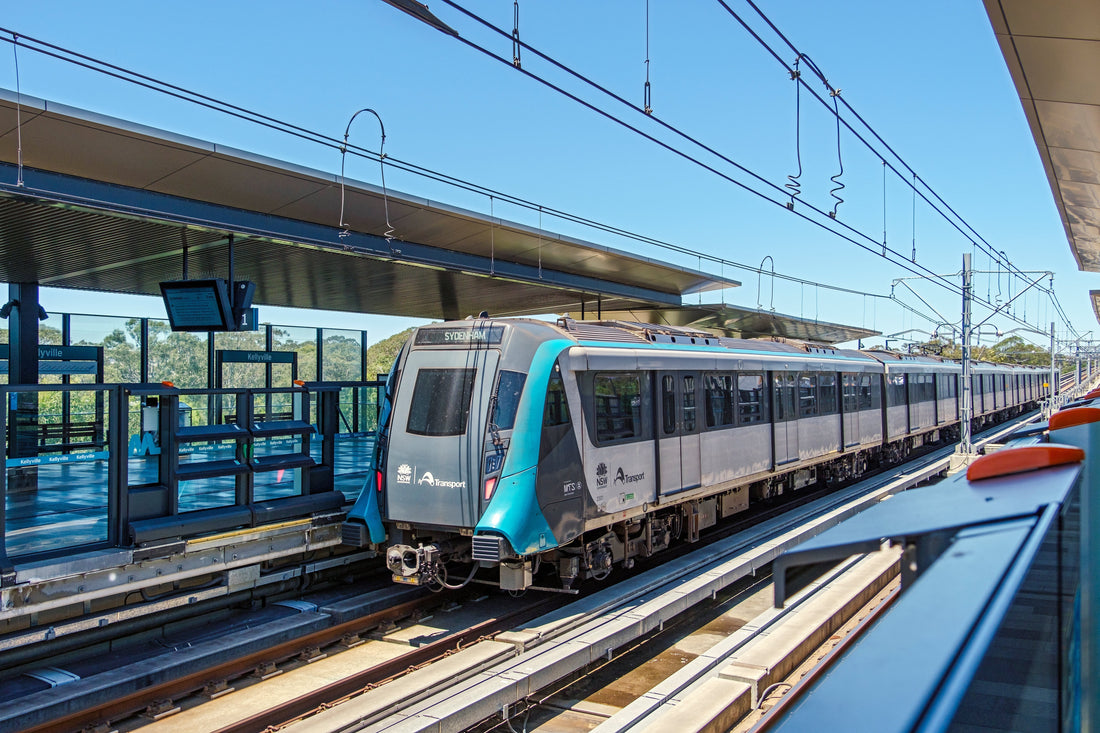
Schaefer AC/DC power supplies, Battery Chargers, DC/DC Converters and Inverters (DC/AC + AC/AC) are deployed across multiple Australian rail operators, including:
- Aurizon
- Australian Rail Track Corporation (ARTC)
- Metro Trains
- Queensland Rail
- Transport for NSW (Sydney Trains)
In many cases, the same core product families have remained in relaible service for decades, supported through controlled internal updates to address component obsolescence while preserving mechanical and electrical compatability.
Final Thoughts
In the rail sector, long-term supply continuity is not a luxury, it is an operational necessity. Schaefer’s commitment to lifecycle support, combined with Powerbox’s local engineering presence, gives Australian rail networks the confidence that their critical power systems, whether trackside or onboard, will remain serviceable and supportable for decades to come.
Contact Us Today to learn more
Frequently Asked Questions - Railway Power System Obsolescence
What happens when a railway battery charger or DC/DC converter becomes obsolete?
In commercial industries, obsolescence often results in product discontinuation and forced redesign. In railway applications, this approach is rarely acceptable due to long asset lifecycles, type approval constraints, and configuration control requirements.
A structured obsolescence management approach involves redesigning internal circuitry while preserving external fit, form, and function. This enables continued supply of mechanically and electrically compatible units without requiring changes to enclosures, wiring, or mounting infrastructure.
Can obsolete railway power supplies be replaced without recertification?
In most railway environments, some level of engineering review, validation testing, or certification is required when introducing a replacement product, even where the original unit has become obsolete. The extent of this process depends on the operator’s configuration control framework and approval governance model.
It is also fundamentally a question of risk balance. The level of scrutiny applied will vary depending on the application. Equipment supporting safety-critical signalling functions will attract significantly greater engineering oversight than secondary or auxiliary systems. The approval pathway is therefore not only procedural, but risk-based.
When a replacement unit maintains identical mechanical dimensions, mounting interfaces, terminal layout, and electrical characteristics, the revalidation process becomes significantly more straightforward.
Maintaining fit, form, and function reduces the scope of required testing, avoids enclosure or cabling redesign, and limits the need for system-level regression assessment. In many cases, the approval effort can focus on demonstrating technical equivalence rather than undertaking full requalification of the broader system.
What does “fit, form, and function” mean in railway power systems?
Fit refers to mechanical dimensions, mounting points, and enclosure compatibility.
Form refers to physical interface characteristics such as terminal layout, connectors, and wiring access.
Function refers to electrical and performance characteristics including voltage range, current capability, EMC behaviour, thermal performance, and protection features.
Maintaining all three ensures that a replacement unit can be introduced without modifying the surrounding infrastructure or altering certified installation drawings.
How long are railway battery chargers and converters typically supported?
Railway infrastructure commonly operates on asset lifecycles exceeding 20 to 30 years. Power conversion equipment supporting signalling, communications, auxiliary onboard systems, and level crossings must therefore be maintainable across decades.
Long-term support depends on supplier design philosophy. Manufacturers committed to lifecycle continuity redesign internal assemblies when components become obsolete, rather than discontinuing entire product families.
Why is obsolescence management more critical in rail than in industrial markets?
Railway assets are certified, standardised, and often deployed across entire fleets or network infrastructure. A forced redesign can trigger documentation updates, safety case review, testing, retraining, and inventory restructuring.
The indirect cost of requalification frequently exceeds the component cost of the power supply itself. For this reason, lifecycle stability is often valued more highly than incremental performance improvements.
Are Schaefer railway power supplies currently used in Australian rail networks?
Yes. Schaefer battery chargers, DC/DC converters, and inverter platforms are deployed across multiple Australian rail operators, including Queensland Rail, Aurizon, ARTC, Sydney Trains, and Metro Trains.
Many installations have remained in service for decades, supported through controlled internal updates to manage component obsolescence while preserving mechanical and electrical compatibility.
This continuity supports long-term configuration control across both trackside and onboard platforms.
How does Powerbox support legacy railway power installations?
As Schaefer’s Australian partner, Powerbox maintains historical supply records, type-approved configurations, and technical documentation continuity across signalling and onboard platforms.
Where legacy equipment becomes obsolete or unavailable, Powerbox supports customers through:
• Model matching against historical part numbers
• Compatibility assessment against existing mechanical and electrical interfaces
• Technical equivalence documentation to support engineering review
• Engineering support during revalidation or approval processes
• Custom redesign and retrofit solutions engineered to suit the existing installation
Given the configurable and semi-custom nature of Schaefer railway power products, replacement solutions can be specifically designed to integrate into legacy installations. This may include matching enclosure dimensions, terminal layouts, mounting patterns, voltage characteristics, protection features, and EMC performance to align with the original system design.
Rather than forcing a broader system redesign, Powerbox works with Schaefer to develop retrofit-ready solutions that preserve configuration control while addressing component obsolescence or discontinued product lines.
This approach reduces lifecycle risk, supports long-term maintainability, and enables asset owners to extend the service life of critical infrastructure without unnecessary disruption.