
Introduction
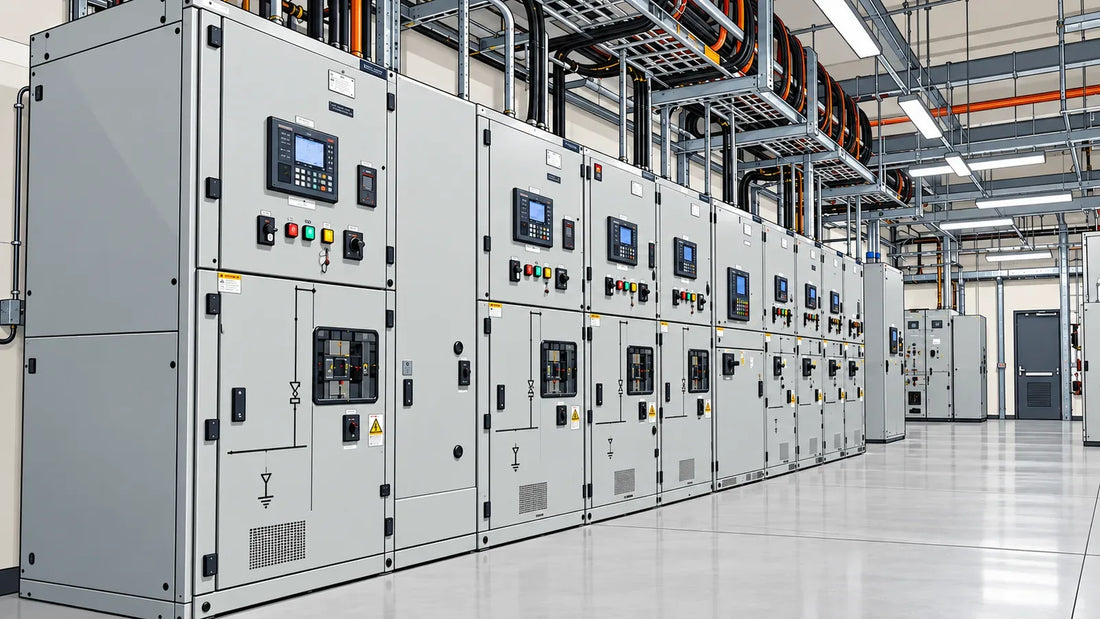
IP cameras, Power over Ethernet (PoE) switches, intercoms, and 4G routers are DC loads. Every device in a typical security field node or centralised surveillance cabinet runs on DC. Yet backup power for these installations is routinely designed around AC UPS systems, which convert DC battery energy to AC and deliver it to devices that immediately convert it back to DC. That round trip through AC adds conversion losses, increases cost, wastes space, and introduces failure modes that a direct DC architecture avoids entirely.
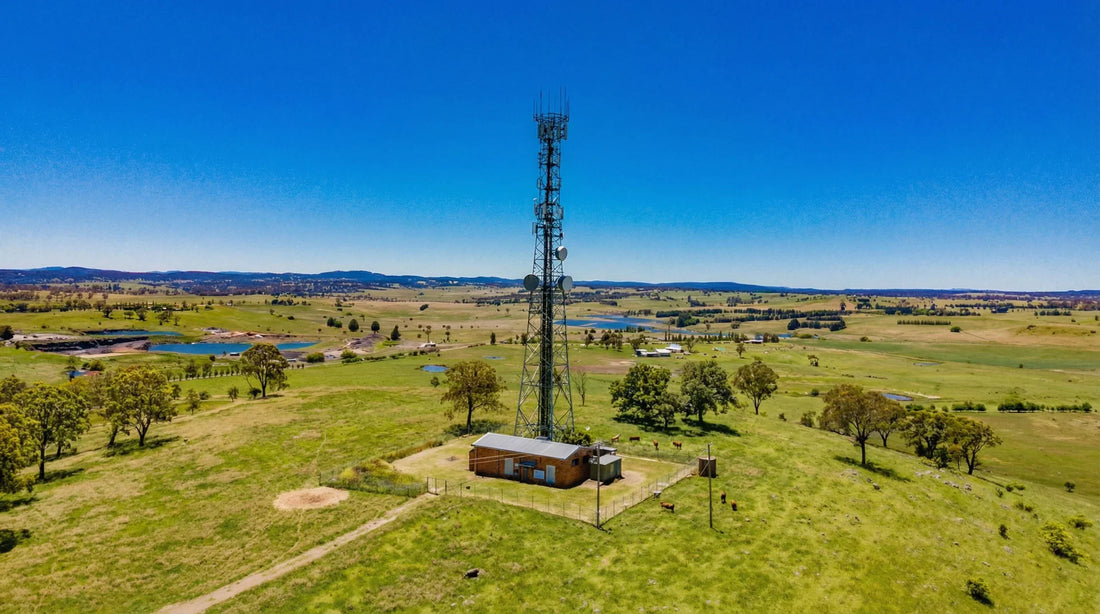
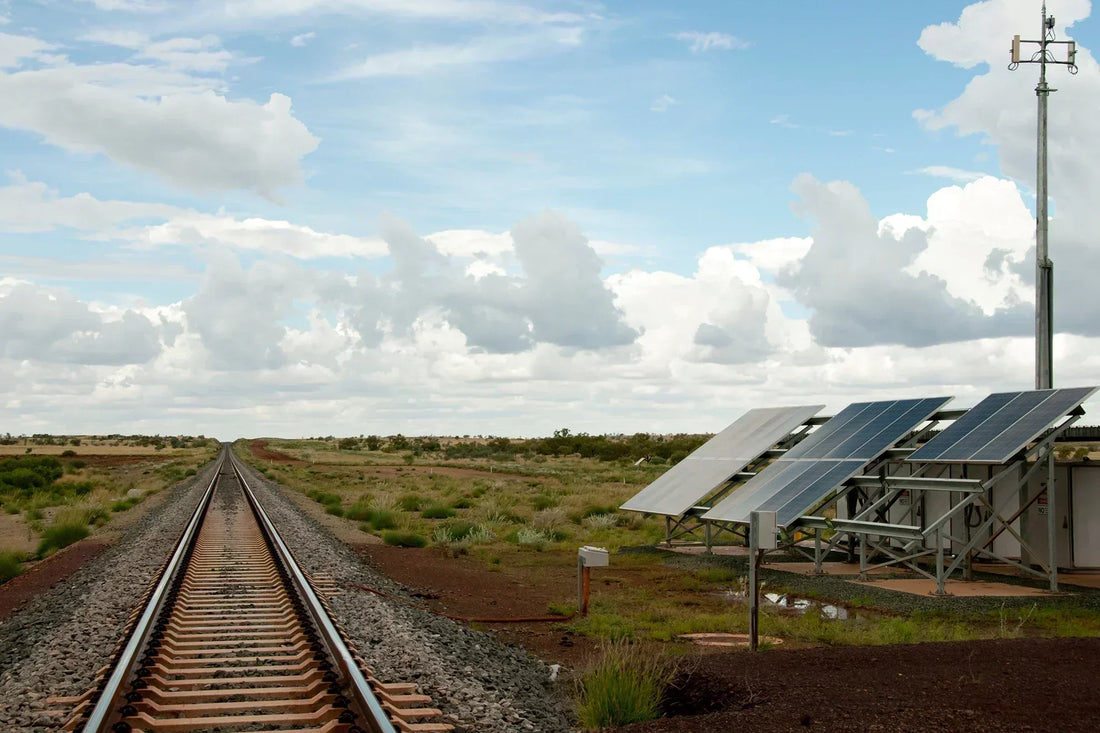
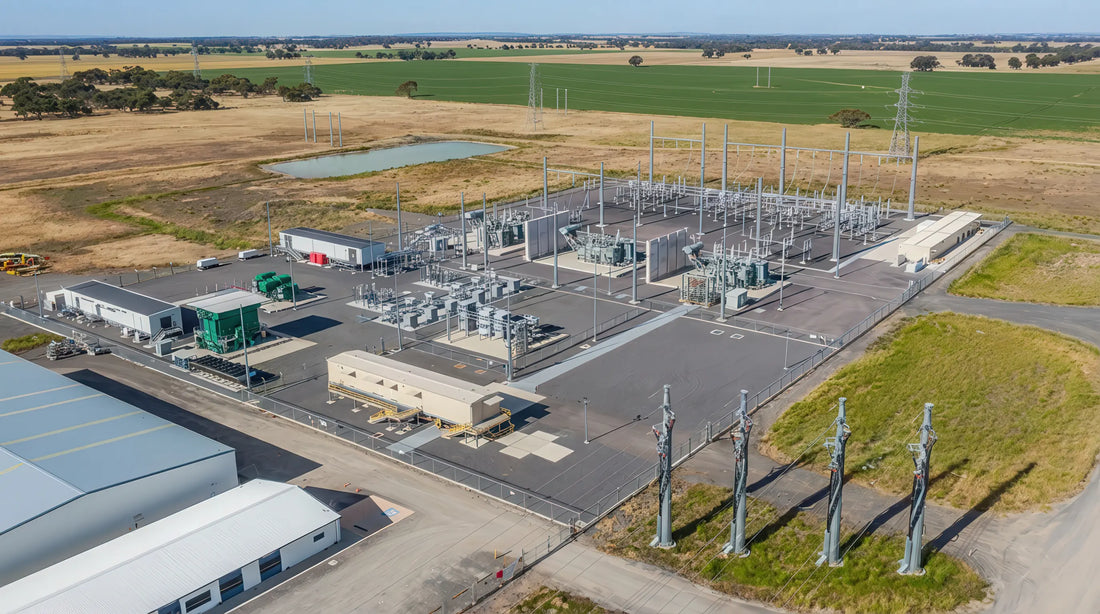
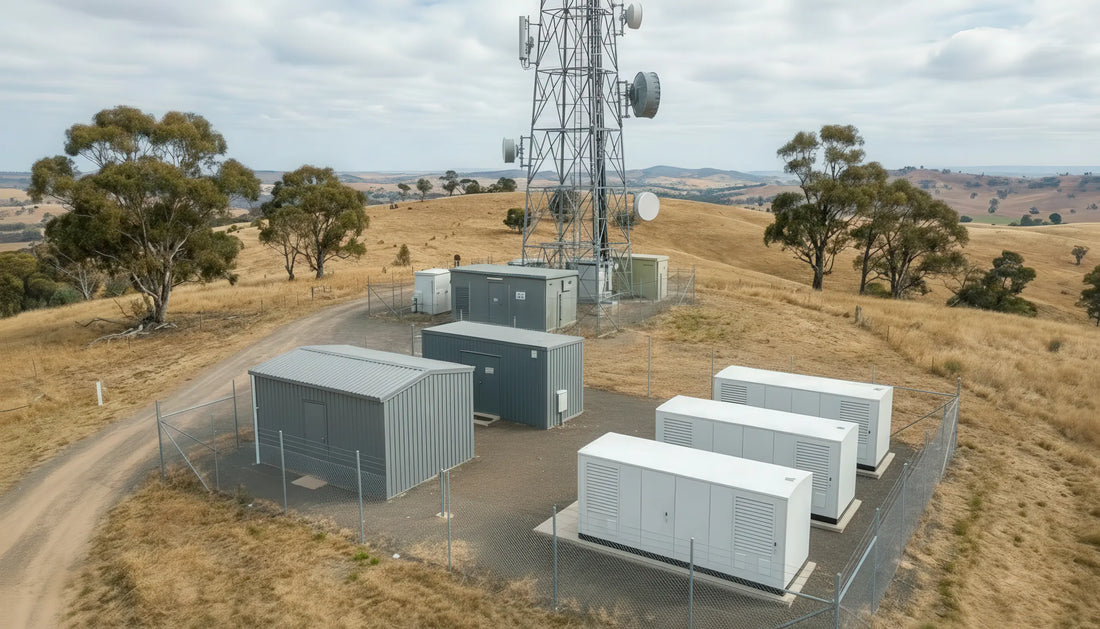
The right DC backup architecture is not a single answer. A three-camera roadside cabinet and a centralised PoE switch backing forty cameras across a rail station present fundamentally different design problems, and the products suited to each are different. This article covers the full range of DC backup options for PoE security infrastructure, from compact DIN-rail units for distributed field nodes through to redundant rack-mounted systems for centralised deployments.

Scope note: This article covers DC backup for 48Vdc PoE infrastructure. For backup power requirements at 12Vdc or 24Vdc (door controllers, card readers, electric locks), see Designing Battery-Backed DC Power Systems for Electronic Security Applications. For mixed AC and DC loads requiring a unified backup platform, see Rethinking AC UPS: When Rectiverter Architectures Are a Better Fit for Critical Infrastructure.
Why DC Backup Is Architecturally Correct for PoE Infrastructure
The case for DC backup in PoE security applications is straightforward. A PoE switch delivering power to cameras operates on DC. When that switch receives power from an AC UPS, the UPS must convert DC battery energy to AC, and the switch's internal power supply then converts that AC back to DC. That is two conversion stages between the battery and the load, each carrying losses of 10–15%. A DC-UPS delivers regulated DC directly to the switch, eliminating both conversion stages.
The efficiency argument has a direct cost dimension. An AC UPS carries the cost of an inverter stage that does no useful work when every connected load is a DC device. A purpose-built DC-UPS has no inverter and is priced accordingly. For a sub-100W field node that cost difference is meaningful. Across a multi-site deployment it is significant.
Transfer time is the other distinction. Most offline and line-interactive AC UPS systems take 10–20ms to switch to battery-backed inverter output. PoE switches and IP cameras with microprocessor-based management may reset or generate nuisance alarms during this transition. A DC-UPS with an embedded battery switch transfers with no interruption; the load is on the battery continuously through the DC bus, and mains failure causes no perceptible event at the load.

Choosing the Right DC Backup Architecture
DC backup for PoE security infrastructure is not a single-product decision. Load level, redundancy requirements, battery strategy, and installation format all vary significantly between a roadside field cabinet and a centralised infrastructure node. This article covers two distinct DC-only scenarios in depth.
Scenario 1: Distributed field node. Sub-300W, DIN-rail mounted in an outdoor cabinet or pole enclosure, SLA batteries, simple installation. The design priority is cost efficiency, compact form factor, and sufficient monitoring output for integration with field security systems.
Scenario 2: Centralised infrastructure node. Higher power, rack-mounted, N+1 redundancy, lithium batteries, NOC monitoring. The design priority is availability, battery lifecycle, and operational visibility across unmanned infrastructure.
Both scenarios assume all loads are DC-powered. When AC-powered equipment joins the backup requirement, the architecture shifts to a Rectiverter-based platform, a separate design problem covered in Rethinking AC UPS: When Rectiverter Architectures Are a Better Fit for Critical Infrastructure.
Scenario 1: The Distributed Field Node
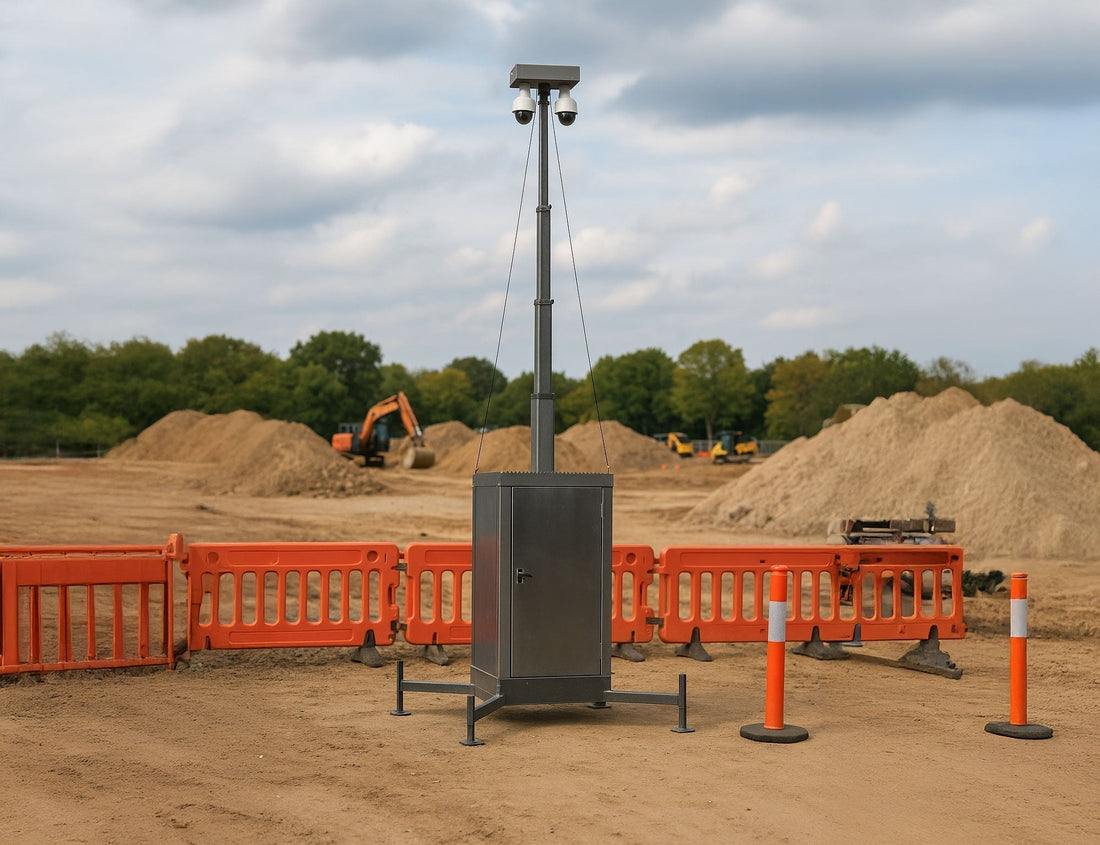
A typical distributed PoE security node (a roadside enclosure, pole-mounted cabinet, or perimeter field installation) draws between 20W and 150W. The load is a PoE switch powering two to six cameras, possibly with a 4G router or intercom terminal. The installation environment is an outdoor or semi-outdoor enclosure with limited space and no conditioned ventilation.
Two products from the Powerbox range address this scenario directly.
ARIS Power DCU300M3648S
The ARIS Power DCU300M3648S is a 300W DIN-rail DC-UPS integrating power supply, battery charging, and automatic backup switchover in a single unit. At 48Vdc it delivers 5A continuous output (up to 10A with battery contribution), and the output voltage is user-selectable between 36Vdc and 48Vdc, a practical advantage where PoE infrastructure operates at 36V rather than the more common 48V.

Its monitoring and diagnostics capability is a genuine strength. Dry contact relay outputs for battery fault, AC mains failure, and rectifier fault conditions are standard. Selected variants add Modbus-RTU communication via RJ45, enabling full integration with SCADA and building management systems for applications where remote visibility and automated fault logging are design requirements. The unit also accepts a wide input range of 85–305Vac or 110–420Vdc, making it usable in installations fed from DC distribution systems as well as standard mains. Load-first dynamic power sharing and a 3-stage IUoU charging curve with recovery charge round out a feature set that is well above the entry level for this product class.
The practical limitation to note is the AC input connection: the DCU300M3648S requires hardwired AC input terminals rather than an IEC plug-in inlet. This is standard in switchboard and panel installations where hardwiring is the norm, but it is worth factoring in for field cabinets where plug-in connections make servicing or replacement easier.
A detailed overview of the ARIS Power DC-UPS range is available in Battery Backup Made Simple: The All-in-One ARIS Power DC-UPS.
Powerbox PB358-48DIN-IEC
The Powerbox PB358-48DIN-IEC is a 138W DIN-rail mounted 48Vdc DC-UPS and battery charger with an IEC inlet for AC mains input. The IEC connection is its primary practical differentiator in field cabinet environments: it allows the unit to be connected, disconnected, or swapped without interfering with hardwired AC cabling, which simplifies installation and reduces service time in distributed outdoor enclosures where access is constrained.
Alarm relay outputs cover Mains OK, Rectifier OK, Battery OK, and Battery Status, supporting integration with access control panels and security management systems.

Field Node Sizing Example
Loads:
- PoE switch: 15W
- 2 × IP cameras at 7W each: 14W
- 4G router: 5W
- Total: 34W at 48Vdc (0.71A)
Runtime target: 8 hours
Battery sizing: Energy required = 34W × 8h = 272Wh. Applying 50% DoD for SLA and 85% system efficiency: Required capacity = 272 ÷ (48 × 0.85 × 0.5) = approximately 13.3Ah
Recommended configuration: 4 × 12V 18Ah SLA batteries in series (48V nominal, 18Ah), providing headroom above the calculated minimum.
Both the PB358-48DIN-IEC and DCU300M3648S are suited to this configuration. The DCU300M3648S is the stronger choice where SCADA or Modbus integration is a design requirement, where 36V output compatibility is needed, or where the installation is in a fixed panel with hardwired AC. The PB358-48DIN-IEC is the practical choice where IEC-accessible AC connections matter for servicing in distributed outdoor cabinets.
Scenario 2: The Centralised DC Infrastructure Node
The scenario changes when a single DC infrastructure point is backing a larger and more critical load: a centralised PoE switch powering a high-density camera network, a surveillance aggregation node, or communications infrastructure at a transport hub or major facility. At this scale, the design priorities shift toward redundancy, longer battery runtime, lithium battery integration, and active NOC monitoring.

Eltek by Powerbox Flatpack S 2kW 1U Powercore
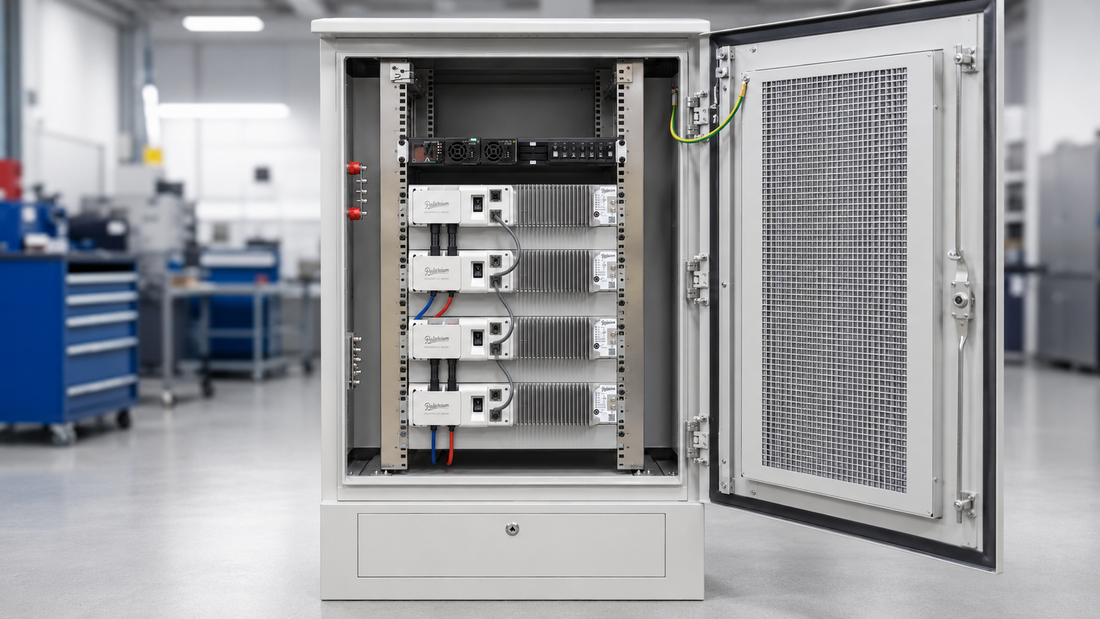
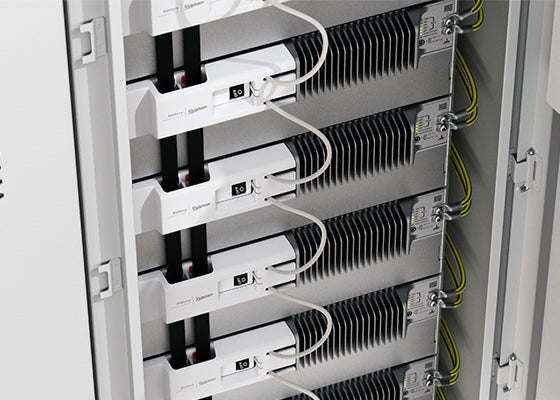
The Eltek by Powerbox Flatpack S 2kW 1U Powercore is a 1U rack-mounted -48Vdc power system housing 2 × Flatpack S HE rectifier modules (1kW each) for 2kW total output. Rectifier modules are plug-in and hot-swappable, operating in parallel with N+1 redundancy: if one module fails, the remaining module continues to support the full load without interruption and without manual intervention. System efficiency is 95–96%, and the shallow 250mm depth fits most standard equipment cabinets.

For centralised PoE security infrastructure, a typical configuration is 2 × 1kW rectifier modules delivering 2kW total system capacity on a -48Vdc bus. This is sized to support a large centralised PoE switch, provide meaningful headroom above the operational load, and charge the battery bank from the rectifier capacity rather than a fixed internal charger.
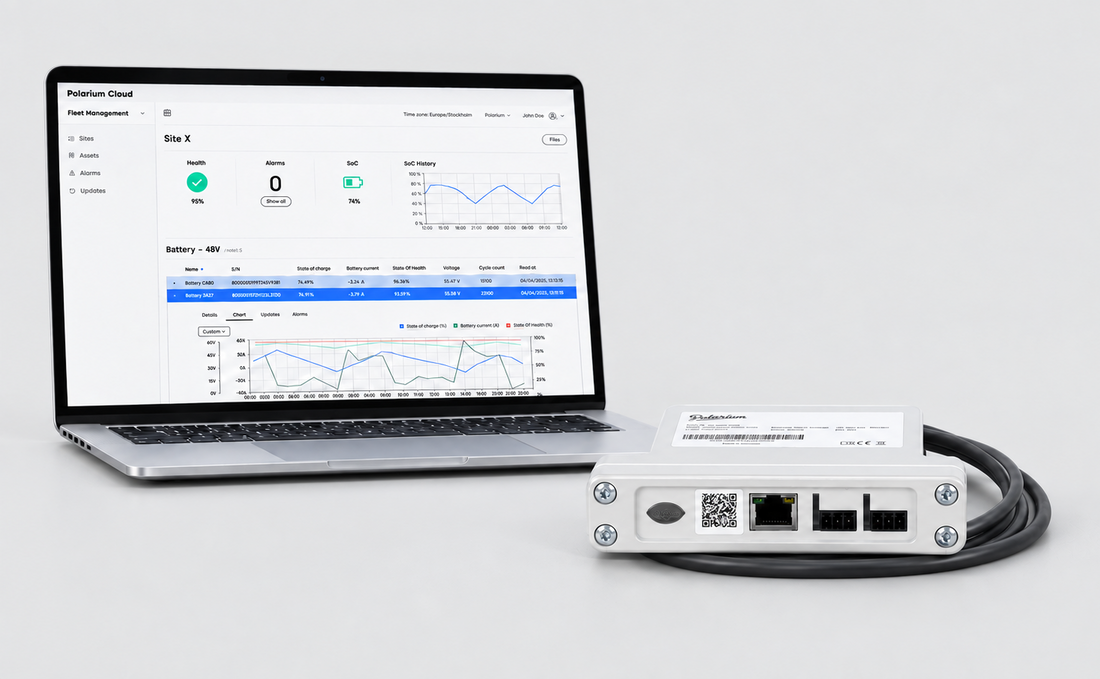
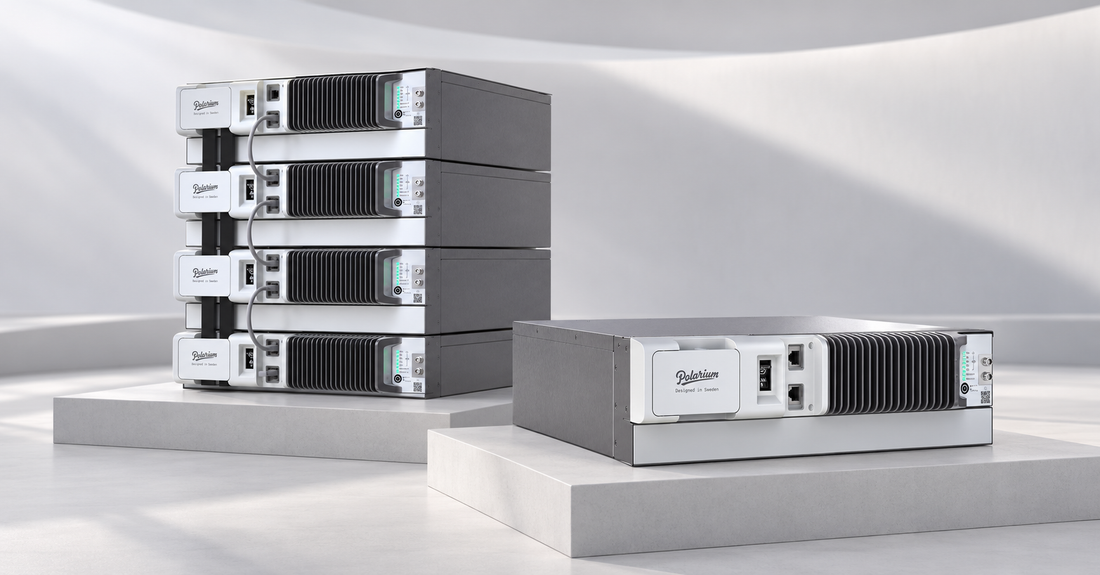
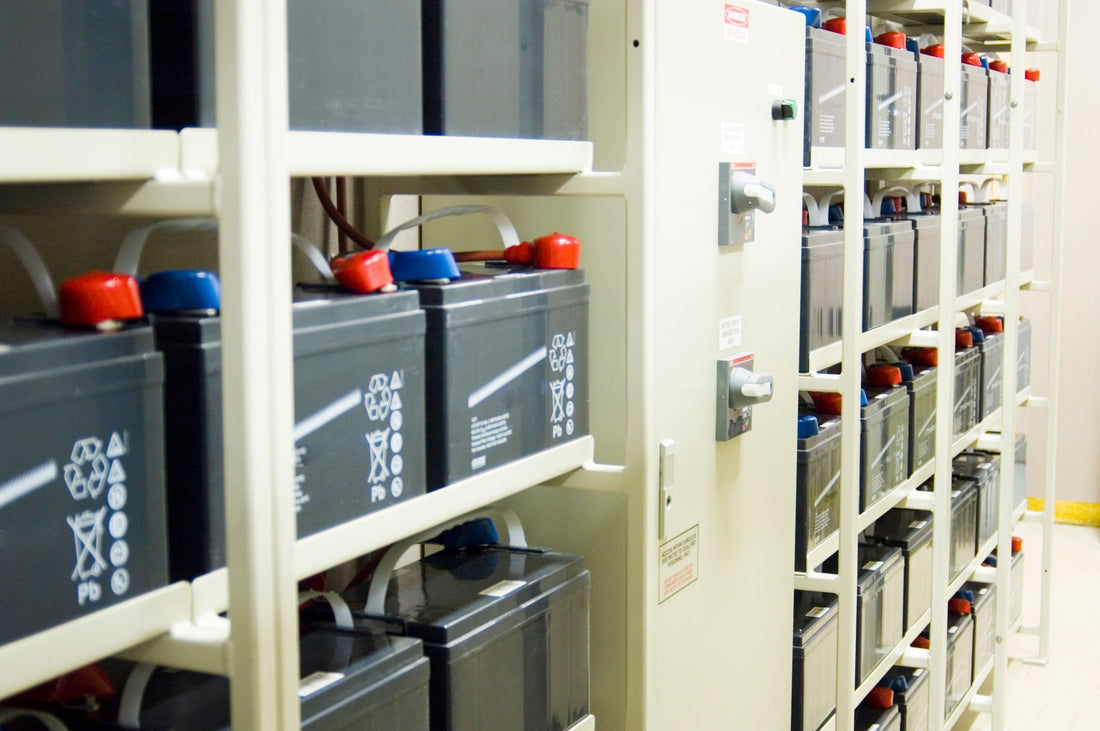
Battery integration uses Polarium lithium modules connected directly to the DC bus. For this application tier (compact 1U footprint, higher energy density requirements, long design life) Polarium's NMC chemistry is the appropriate selection. At 50Ah per module, NMC provides the energy density needed to deliver extended runtime within the physical constraints of a rack installation, while the Polarium BMS provides continuous state-of-charge and state-of-health monitoring reportable to a NOC.

System management is handled by the integrated Smartpack S controller, which provides real-time visibility of rectifier module status, battery state, DC bus voltage, and alarm conditions via SNMP and Ethernet. For multi-site deployments, Delta Eltek MSM (Multi-Site Monitoring) can aggregate data from multiple Eltek installations into a single monitoring portal.
Sydney Trains CCTV Network: A DC-Only Deployment at Scale
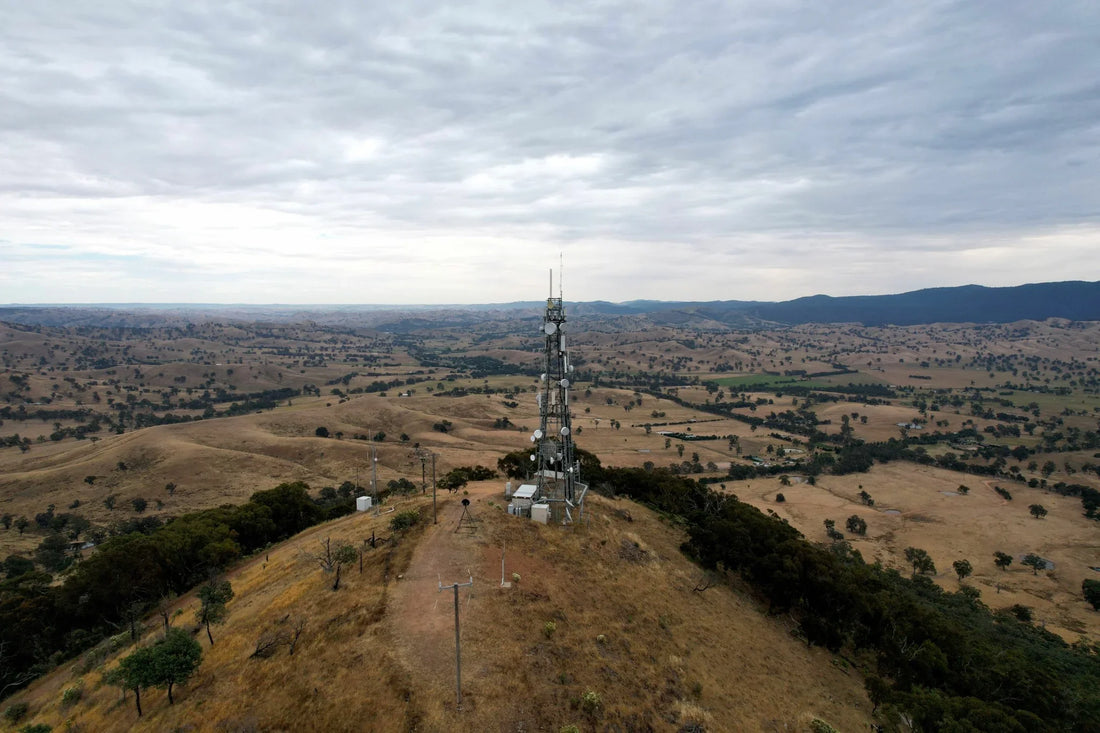
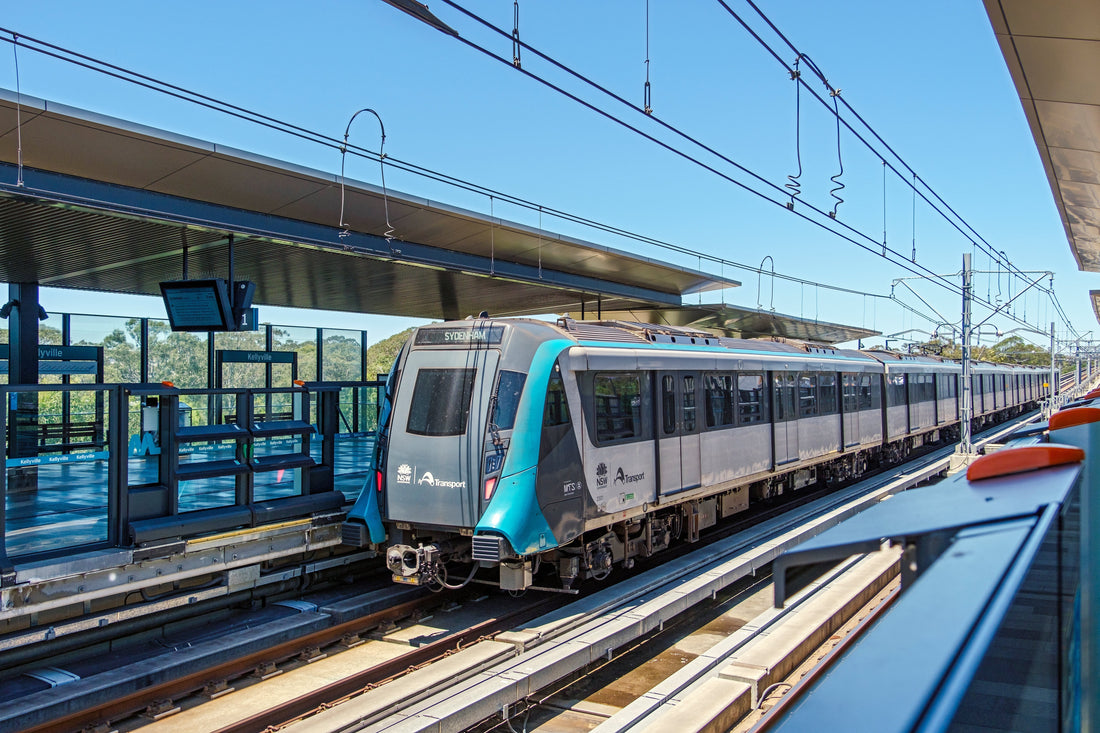
This architecture has been deployed in real security infrastructure. The Sydney Trains CCTV network case study documents a DC power and lithium battery backup deployment across distributed rail infrastructure using the Eltek Flatpack S 2kW 1U Powercore platform. The installation used an Eltek Flatpack S 2kW 1U Powercore (2 × 1kW Flatpack S rectifier modules, N+1) on a -48Vdc bus, paired with Polarium 50Ah NMC batteries. The DC-only architecture was appropriate because there were no AC load requirements on site; all infrastructure was DC-powered, making the conversion losses and physical overhead of an AC UPS entirely unnecessary.
This deployment is a real-world example of Scenario 2: a centralised DC node requiring high availability, long runtime, lithium battery integration, and active monitoring, within a constrained physical footprint.

Product Selection at a Glance
| PB358-48DIN-IEC | ARIS DCU300M3648S | Eltek Flatpack S 2kW 1U Powercore | |
| Form factor | DIN-rail | DIN-rail | 1U rack |
| Output voltage | 48Vdc | 36Vdc or 48Vdc selectable | -48Vdc |
| Output power | 138W | 300W (5A continuous at 48V) | 2kW (2 × 1kW modules) |
| AC input connection | IEC inlet | Hardwired terminals | Hardwired |
| Redundancy | None | None | N+1 module |
| Battery type | SLA | SLA or lithium-ion | SLA or lithium |
| Lithium-ion charging | Not recommended | Yes | Yes (Polarium) |
| Alarm outputs | Mains, Rectifier, Battery OK, Battery Status | Battery fault, Mains fail, Rectifier fault | Smartpack SNMP; MSM multi-site |
| SCADA/remote comms | None | Modbus-RTU (selected variants) | SNMP, web interface |
| Best suited to | Field cabinets with plug-in AC servicing needs | Fixed panel installations, SCADA integration, 36/48V flexibility | Centralised DC nodes, long runtime, lithium |
When DC-UPS Is Not the Right Architecture
Both Scenario 1 and Scenario 2 solutions above assume all loads on the site are DC-powered. When AC-powered equipment joins the backup requirement (control room servers, AC-powered intercoms, processing equipment), the architecture changes and a different platform is required.
The appropriate solution at that point is a Rectiverter-based system, which uses a shared DC bus to supply both AC and DC loads from a single battery infrastructure, with modular N+1 redundancy, lithium battery integration, and Smartpack/MSM monitoring. That architecture, and the engineering case for it, is covered in Rethinking AC UPS: When Rectiverter Architectures Are a Better Fit for Critical Infrastructure.
Frequently Asked Questions
What is the difference between a DC-UPS and an AC UPS for PoE security systems?
An AC UPS stores energy in a DC battery bank and uses an internal inverter to produce 230Vac output. A PoE switch connected to that output must then convert the AC back to DC internally. A DC-UPS eliminates the inverter stage entirely, delivering regulated DC output directly to the PoE switch. For PoE security applications where all loads are DC devices, this removes two conversion stages, reduces energy losses of 10–15% per stage, lowers system cost, and eliminates the 10–20ms transfer time that can cause IP cameras and managed switches to reset on mains failure.
Can I use a standard 48V DC-UPS to power a PoE switch directly?
Yes, provided the DC-UPS delivers a regulated output voltage compatible with the PoE switch's DC input specification. Most PoE switches designed for infrastructure applications accept a regulated 48Vdc supply. The DC-UPS must be correctly sized for the combined load of the PoE switch and all connected PoE devices, and the battery bank must be configured to meet the runtime requirement. Both the Powerbox PB358-48DIN-IEC and ARIS Power DCU300M3648S are designed for exactly this application.
What is the best DC-UPS for powering IP cameras and PoE switches in outdoor field cabinets in Australia?
For compact distributed field nodes (sub-300W, DIN-rail, SLA batteries), the ARIS Power DCU300M3648S and Powerbox PB358-48DIN-IEC are both well-suited. The DCU300M3648S has a stronger monitoring and alarm feature set with optional Modbus-RTU, and accepts both AC and DC input. The PB358-48DIN-IEC uses an IEC inlet for AC input, which simplifies servicing in outdoor field cabinets where plug-in access is preferred. For larger centralised nodes requiring redundancy and lithium battery integration, the Eltek Flatpack S 2kW 1U Powercore is the appropriate platform.
When should I use the Eltek Flatpack S 2kW 1U Powercore instead of a DIN-rail DC-UPS?
The Flatpack S 2kW 1U Powercore is appropriate when the DC load is centralised and high-availability requirements justify N+1 module redundancy, when lithium battery integration and continuous SoC/SoH monitoring are required, when the load exceeds the capacity of a single DIN-rail unit, or when the installation is in a rack environment rather than a DIN-rail switchboard. A typical use case is a centralised PoE switch powering a high-density camera network at a transport hub or major infrastructure site, where a single point of failure in the backup system is not acceptable. The Sydney Trains CCTV network deployment is a documented example of this scenario.
What is the ARIS Power DCU300M3648S and what makes it suitable for PoE security applications?
The DCU300M3648S is a 300W all-in-one DIN-rail DC-UPS from Italian manufacturer ARIS Power, combining AC/DC power supply, battery charger, and automatic backup switchover in a single unit. It delivers selectable 36Vdc or 48Vdc output, accepts a wide input range including both AC (85–305Vac) and DC (110–420Vdc) sources, and provides dry contact relay alarms for battery fault, mains failure, and rectifier fault conditions. Optional Modbus-RTU on selected variants enables SCADA and building management system integration. For PoE security applications, it offers a compact, cost-effective, and well-monitored DC backup solution. The limitation to note is that AC input is hardwired rather than IEC plug-in.
How do I size a DC-UPS battery bank for a PoE security field node?
Calculate total load power in watts, then multiply by the required runtime in hours to get energy in watt-hours. Divide by the product of nominal battery voltage (48V), usable depth of discharge (0.5 for SLA, up to 0.8 for lithium), and system efficiency factor (typically 0.85). The result gives the minimum battery capacity in amp-hours. For a 34W load with an 8-hour runtime target on SLA: 34 × 8 ÷ (48 × 0.5 × 0.85) = approximately 13.3Ah, recommending a standard 4 × 12V 18Ah SLA configuration in series. Powerbox Australia can assist with battery sizing calculations for specific site requirements.
About Powerbox Australia
Powerbox Australia is a specialist distributor and manufacturer of power electronics for critical infrastructure, with a focus on DC power systems, battery backup, and energy storage across security, rail, utilities, defence, mining, and telecommunications sectors. We supply and support the full range of products described in this article, including Powerbox own-manufactured DC-UPS units, ARIS Power DIN-rail DC-UPS systems, Eltek Flatpack S Powercore and Rectiverter platforms, and Polarium lithium battery modules.
Our role is to work with engineers, security integrators, and infrastructure consultants at the design stage, not just to fulfil a product order. That means starting with the application: load assessment, runtime calculations, battery sizing, installation environment, and monitoring requirements. For multi-site projects, we design consistently across site types rather than applying a single configuration regardless of fit.
Powerbox Australia is an authorised distributor of Delta Electronics (Delta Eltek) and Polarium in Australia and New Zealand. With local technical support and product availability, we provide the engineering guidance and supply continuity that distributed infrastructure projects require over their full lifecycle.
Contact Powerbox Australia to discuss your application, or browse the DC-UPS product range for full specifications.
About the Author
James Rutty is a Director at Powerbox Australia, with over 15 years of experience specifying and supplying DC power systems for electronic security, critical infrastructure, and industrial applications across Australia and New Zealand. He works directly with security integrators, electrical consultants, and infrastructure engineers to ensure backup power systems are correctly sized, properly specified, and maintainable over their full operational lifecycle.