
Is Your Power Supply Putting Your Business at Risk?
In the electronic security industry, power supplies are often the last thing an installer thinks about. You've specified the panels, mapped the cameras, laid the cabling, then grabbed a power supply off the shelf that fits the voltage and current rating. Job done.
But here's the problem: if that power supply isn't registered under Australia's Electrical Equipment Safety System (EESS), you may have just handed your client a safety liability, and handed yourself an insurance problem.
This article breaks down what EESS registration means for the security industry, which products are genuinely in scope, where the legitimate exemptions apply, and why it matters more than ever on larger projects and government work.
What is EESS?
The Electrical Equipment Safety System (EESS) is a national regulatory framework governing the safety of electrical equipment sold and installed across Australia and New Zealand. It classifies products into three risk tiers:
- Level 1 (Low Risk): basic cords and passive accessories
- Level 2 (Medium Risk): items like power boards and soldering irons
- Level 3 (High Risk): plug-in power supplies, battery chargers, and desktop adaptors
Products that fall “in-scope” at Level 2 or Level 3 carry a specific set of obligations:
- Testing and certification by a recognised third-party laboratory
- Registration on the EESS database
- Supply by a registered Responsible Supplier
- Affixing the RCM (Regulatory Compliance Mark), the small symbol that tells an inspector, an insurer, or an end customer that the product has been independently verified
That last point matters more than it might seem. The RCM is your paper trail. Without it, a product may have no documented evidence of compliance, and in a claim situation, that gap can be decisive.
The Real Risk for Security Installers
Many of the power supplies, DC-UPS systems, and battery chargers used in access control, CCTV, and alarm installations fall squarely within Level 3 in-scope territory. That means the burden of compliance isn't just on the manufacturer or supplier, it extends to the installer who specifies and fits the product.
If something goes wrong and non-compliant equipment is involved, the consequences can stack up quickly:
-
Insurance and liability exposure. In the event of equipment failure, fire, or injury, installing a non-compliant power supply may void the product warranty and invalidate insurance claims. The liability doesn't stay with the product, it can follow the person who chose to install it.
-
Project delays and forced rectification. On larger commercial projects and government tenders, specifying EESS-registered power components is increasingly a contractual requirement, not just best practice. Finding out after installation that a product doesn't qualify can trigger costly rework and programme delays.
-
Safety standards that exist for good reason. Only registered equipment carries the test certification that confirms it meets the AS/NZS safety standards relevant to in-field installation environments. These aren't bureaucratic hurdles, they're the baseline for safe, reliable performance over the life of the installation.
-
Traceability and supplier accountability. Registered products come from registered Responsible Suppliers. That means documented technical support, enforceable warranty backing, and confidence that the product will remain available and serviceable over time.
When EESS Registration Doesn't Apply
Despite the breadth of the framework, not every power supply used in a security installation requires EESS registration. Several legitimate exemptions apply, and understanding them is just as important as understanding when registration is mandatory.
Whether a product is in scope depends on how it's powered, how it's installed, and the environment in which it operates. Careful interpretation of the regulations is often needed, but the most common out-of-scope scenarios in security work include:
-
Hardwired power supplies. Products permanently wired into the electrical system by a licensed electrician, such as DIN-rail or panel-mounted chargers, are generally not covered by EESS. They fall under AS/NZS 3000 instead.
-
DC-only powered devices. Products powered solely by DC input, including DC/DC converters and solar charge controllers, sit outside the EESS framework.
-
Internal power modules. If a power supply is built into a larger certified product, such as a security panel or intercom system, and is not sold as a standalone component, it is not subject to individual registration.
-
Industrial use exemption. Products designed and clearly marked for exclusive industrial or infrastructure use may be exempt where they are installed within locked control rooms, equipment cabinets, or technical environments not accessible to the general public, and fitted by qualified personnel. This exemption is commonly applied in electronic security contexts, but it carries a critical condition: the product must be clearly labelled for industrial use only and must not be deployed in any environment where the general public could access it (including on a desk in an open office).
Getting the exemption wrong is a risk in itself. If a product is installed under an exemption that doesn't legitimately apply, the liability implications are essentially the same as installing an unregistered in-scope product.
Powerbox Australia and EESS: Built for Confidence
Understanding EESS compliance, and navigating the line between in-scope requirements and legitimate exemptions, is something Powerbox Australia takes seriously at a product design level, not just a paperwork level.
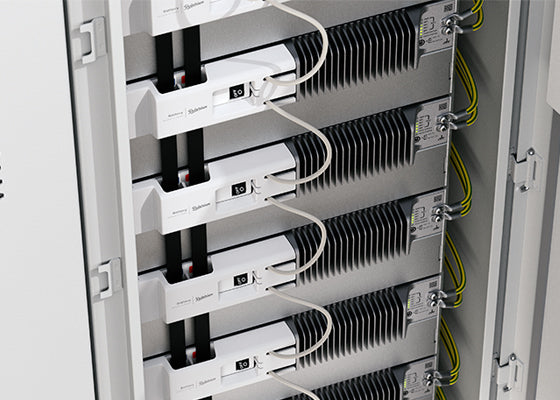
Our locally designed DC-UPS systems and battery chargers are engineered and tested to meet all applicable Australian safety standards. Key models, including the market-leading PBB2S MKII Series and PB256 Series, are formally registered under the EESS and carry the RCM.
That registration isn't a rubber stamp. Achieving and maintaining EESS compliance requires ongoing investment in product testing, documentation, and engineering. It's a deliberate process, and it's one we believe is non-negotiable if we're asking security professionals to stake their reputation on our products.
When you specify a Powerbox product, you're not just selecting a power supply that fits the spec sheet. You're selecting one with an auditable compliance record that will hold up on any project, any tender, and any inspection.
Related Models:
Looking for EESS-registered power solutions for your next security installation? The following Powerbox models are tested, certified, and ready to specify with confide
- PBB2S MKII Series DC-UPS Battery Charger
- PB256 Series DC-UPS and Battery Charger
- PB356 Series Smart DC-UPS
- PB358 Series Smart DC-UPS
- PB251A Series DC-UPS

Not sure which product is right for your application? Contact our team today, and we can help you navigate compliance requirements and specify the right solution.
Frequently Asked Questions
Does every power supply used in a security installation need to be EESS registered?
No. Whether a product requires EESS registration depends on how it's powered, how it's installed, and the environment it operates in. Plug-in AC-powered power supplies and battery chargers sold as standalone products generally fall within Level 3 in-scope territory and require registration. However, hardwired products, DC-only powered devices, and equipment installed under a legitimate industrial use exemption may not. When in doubt, confirm with your supplier before specifying.
What is the RCM and how do I identify a compliant product?
The RCM (Regulatory Compliance Mark) is the label applied to electrical products that have been tested, certified, and registered under the EESS. It's your fastest visual confirmation that a product meets Australian and New Zealand safety requirements. If a product doesn't carry the RCM and it's in-scope, it shouldn't be installed.
What are the consequences of installing a non-EESS-registered power supply?
The risks are real and multi-layered. Non-compliant installations can void product warranties, invalidate insurance claims in the event of equipment failure or fire, and expose the installing business to legal liability. On commercial and government projects, using non-registered equipment can also trigger forced rectification and programme delays if flagged during inspection.
Are hardwired DIN-rail power supplies covered by EESS?
Generally, no. Power supplies that are permanently hardwired into a building's electrical system by a licensed electrician are typically regulated under AS/NZS 3000 rather than the EESS. This is one of the most common exemptions applied in security and industrial installations.
How do I know if a Powerbox product is EESS registered?
Key Powerbox models, including the PBB2S MKII Series and PB256 Series, are formally registered under the EESS and carry the RCM. If you need to confirm compliance documentation for a specific product or project, contact the Powerbox team directly.
What is the industrial use exemption and does it apply to my installation?
The industrial use exemption applies to products clearly designed and marked for exclusive use in industrial or infrastructure environments, such as locked equipment rooms or technical enclosures, installed by qualified personnel and not accessible to the general public. It's commonly applied in electronic security contexts, but it must be applied correctly. If a product is used in an area where members of the public could access it, such as an open office, the exemption does not apply and the product would need to be EESS registered.
About the Author
James Rutty, Director, Powerbox Australia
James Rutty is a Director at Powerbox Australia, bringing over 15 years of experience supporting industry across Australia and New Zealand. He works closely with the Powerbox team to ensure integrators, consultants, distributors, and end users are equipped with correctly specified, standards-compliant DC power systems that deliver reliable performance in the field.