Did You Know? Polarium Batteries Can Protect Themselves Against Theft
News > Did you know? polarium batteries can protect themselves against theft
BLOGS

Did You Know? Polarium Batteries Can Protect Themselves Against Theft

22/05/26 James Rutty

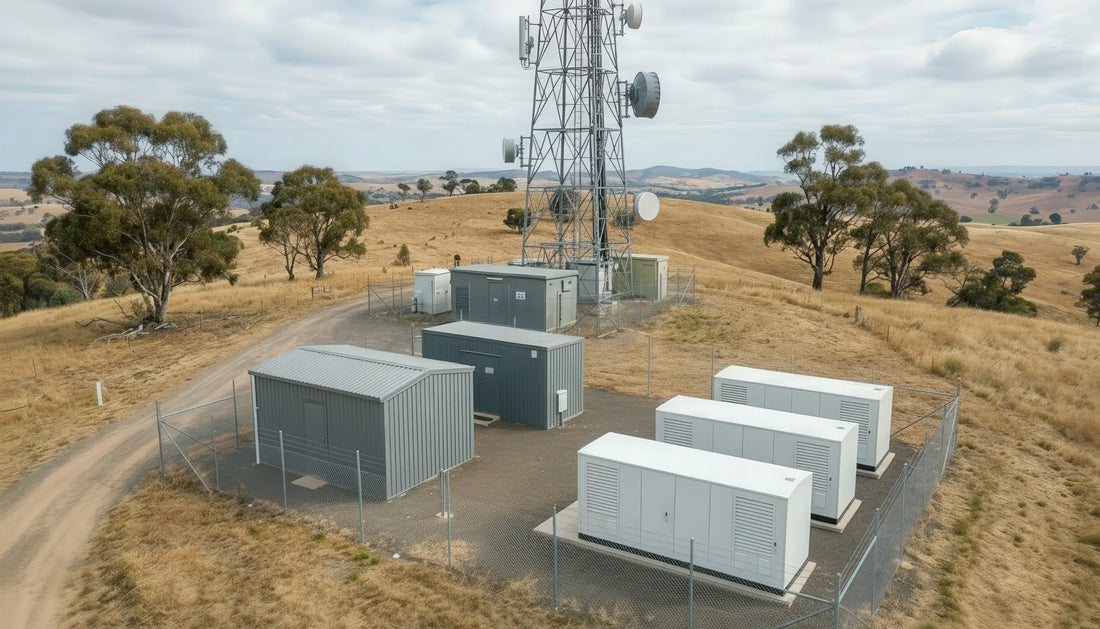
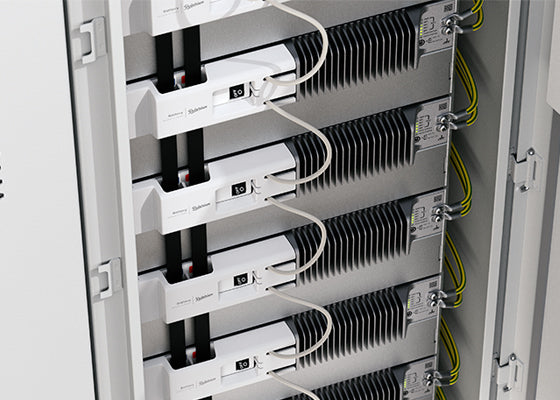
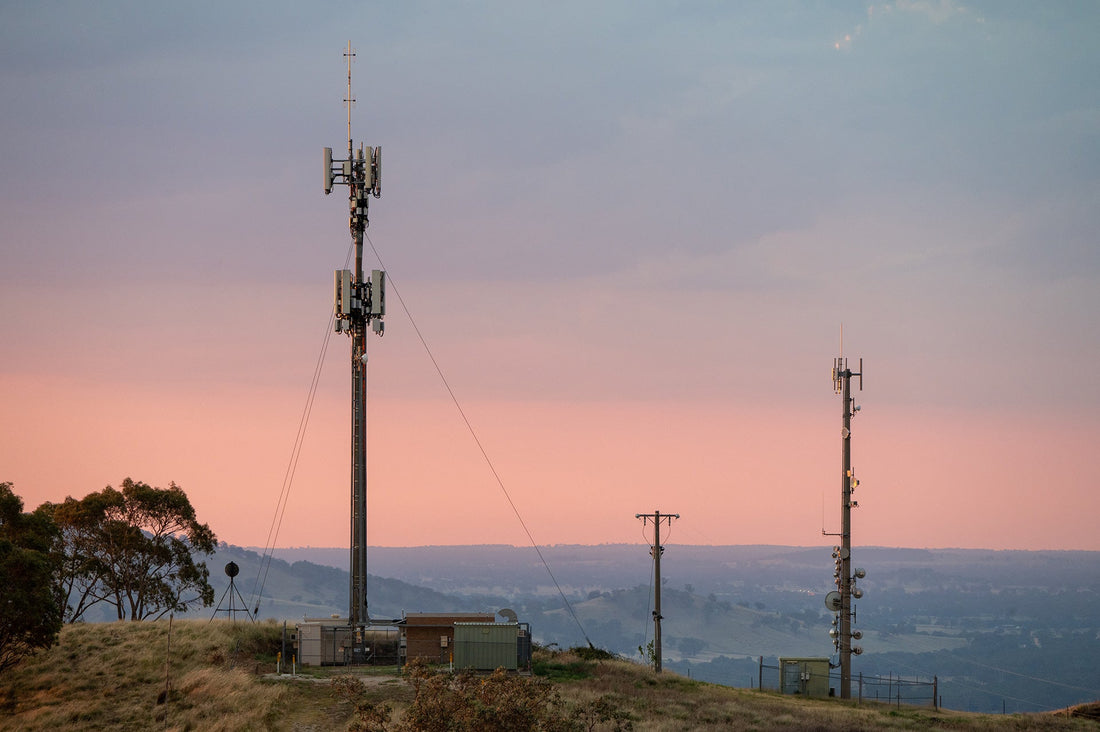
Across Australia, New Zealand and the Pacific Islands, Polarium lithium batteries are being deployed in telecommunications, utilities, and remote monitoring systems where site access and physical protection can vary. To help safeguard these installations, every Polarium Gen5 battery includes a built-in Anti-Theft function designed to electronically disable the battery if it is removed without authorisation.

When activated, this feature makes the battery inoperable to anyone attempting to use or resell it. For operators managing critical power at remote sites, it adds a valuable layer of electronic security that deters repeat theft and helps maintain uptime in essential networks.

How Polarium’s Anti-Theft System Works

Polarium’s Anti-Theft feature is an intelligent, BMS-controlled protection system integrated into all Gen5 battery models. It relies on an internal accelerometer that detects unauthorised movement or tampering.

If a battery is removed or disturbed beyond its configured threshold, the BMS places it into Alert Mode, starting an eight-hour countdown before output is automatically disabled. Once in this locked state, the battery becomes effectively unusable until an authorised technician re-enables it through Polarium Studio.

Each battery requires a Polarium-issued activation key linked to its serial number to reset discharge. This authentication process ensures that only approved users can re-activate a locked battery, preventing unauthorised reuse or integration into another system.
This approach makes theft unattractive because a stolen Polarium battery has no resale or reuse value.

Adjusting Sensitivity and Resetting After Activation

The system is flexible enough to accommodate different site environments. Through Polarium Studio, installers can adjust two parameters:

  • Angle: Determines how much movement or tilt will trigger the alarm.
  • Delay: Defines how long the motion must persist before the system enters Alert Mode.

These configurable settings make it possible to fine-tune sensitivity to avoid false triggers in locations subject to vibration or regular maintenance.

If the Anti-Theft feature is triggered accidentally, technicians can safely reset the unit using Polarium Studio v2.2.1 or later via the Modbus-USB cable. No hardware replacement is required. All Anti-Theft events are logged within the BMS for traceability and service records.

Powerbox Insight

Across Australia and the South Pacific, Powerbox supports customers managing remote and high-value sites where downtime caused by theft can be costly. Physical site security is not always consistent, particularly for telecommunications shelters, rail infrastructure, and off-grid control systems.

The Polarium Anti-Theft feature offers a simple but effective safeguard. While it does not reduce replacement cost, it significantly reduces the likelihood of repeat thefts by making stolen batteries unusable. For operators, this means greater confidence in the integrity of critical power systems and reduced operational disruption.

Powerbox recommends that installers activate the Anti-Theft function during commissioning and ensure that every site retains a Modbus-USB service cable to access the system locally if required.

Frequently Asked Questions

Which Polarium batteries include the Anti-Theft feature?

The Anti-Theft function is a standard feature on all Polarium Gen5 lithium batteries supplied by Powerbox.

How does the system know when a battery is being tampered with?

An internal accelerometer detects movement or tilt beyond configured limits. If the movement continues past the configured delay threshold, the battery enters Alert Mode and then disables discharge.

How long before the battery disables itself after an alert?

Once an alert is triggered, an eight-hour countdown begins before output is automatically disabled.

Can I change the sensitivity settings?

Yes. The Angle and Delay parameters in Polarium Studio allow technicians to tailor the system to site conditions, helping to avoid false triggers in locations subject to vibration or regular maintenance activity.

What happens if the feature is triggered accidentally?

The lockout is temporary. A technician can re-enable discharge via Polarium Studio using an authorised Polarium activation key linked to the battery's serial number. No hardware replacement is required.

Does the Anti-Theft feature require extra hardware?

No. It is built into the Gen5 battery and uses the same Modbus-USB communication cable used for standard setup and servicing.

Is there any additional cost for the Anti-Theft feature?

Yes. There is a small fee per battery (approximately $25 AUD at time of publishing) to cover the administration and setup costs associated with implementing and managing the protection feature.

Where is this most useful?

The Anti-Theft feature is particularly valuable at remote telecommunications, industrial, or security sites where physical access control may be limited and the cost of downtime from theft is high.

Talk to the Powerbox team today to learn how Polarium’s Anti-Theft feature can help protect your critical power assets. Powerbox can supply Modbus-USB cables and provide guidance on configuring and activating Anti-Theft protection through Polarium Studio.

About the Author

James Rutty, Director, Powerbox Australia

James Rutty is a Director at Powerbox Australia, with over 15 years of experience in power electronics for critical infrastructure across Australia and New Zealand. He works with engineers, consultants, and integrators at the architecture level, from initial load assessment and system design through to product specification, commissioning support, and lifecycle management.

James Rutty grey background 400x400.jpg__PID:9e786899-b3ba-48fe-9e0f-609a013a9ec2

Share Article

Polarium fifth Generation Lithium Ion Batteries

  • background-product
    Polarium SLB48-100-135-5H | ... The Polarium SLB48-100-135-5H is a 48 V, 100 Ah... View Details
  • background-product
    Polarium SLB48-150-145-5 | 4... The Polarium SLB48-150-145-5 is a high-capacity 48 V, 150... View Details
  • background-product
    Polarium SLB48-230-146-5 | 4... The Polarium SLB48-230-146-5 is a high-capacity 48 V, 230... View Details
1/ 3

Protect your remote sites with Polarium's built-in Anti-Theft feature.

Related News

  • Blogs Rethinking AC UPS: When Rectiverter Architectures Are a Better Fit for Critical Security Infrastructure
    Rethinking AC UPS: When Rectiverter Architectures Are a Better... 08/05/26
  • Blogs Delta DIN Rail Power Supplies Compared: Chrome vs. Lyte II vs. Force GT
    Delta DIN Rail Power Supplies Compared: Chrome vs. Lyte II vs.... 06/05/26
  • Blogs Why EESS Registration Matters for Security Installers: Understanding the Role of Compliant Power Supplies
    Why EESS Registration Matters for Security Installers: Underst... 01/05/26
  • Blogs Implementing Reliable DC Redundancy with the Camtec RED00202 (R2) 1000W Redundancy Module
    Implementing Reliable DC Redundancy with the Camtec RED00202 (... 31/03/26
  • Blogs Rethinking Emergency Door Release: Jack Fuse Electronic Break Glass in Modern Access Control Systems
    Rethinking Emergency Door Release: Jack Fuse Electronic Break ... 30/03/26
  • Blogs Designing DC-UPS Systems for Proactive Security Maintenance
    Designing DC-UPS Systems for Proactive Security Maintenance 29/03/26
  • Blogs Supplying EFOY Approved Methanol in Australia
    Supplying EFOY Approved Methanol in Australia 20/03/26
  • Blogs Smart Monitoring for Smarter Batteries: Unlocking Polarium’s Modbus Capability
    Smart Monitoring for Smarter Batteries: Unlocking Polarium’s M... 18/03/26
  • Blogs Battery Backup Made Simple – The All-in-One ARIS Power DC-UPS
    Battery Backup Made Simple – The All-in-One ARIS Power DC-UPS 12/03/26
  • Blogs AC/AC Frequency Converters Explained: Beyond Transformers
    AC/AC Frequency Converters Explained: Beyond Transformers 05/03/26
  • Blogs Managing Obsolescence in Railway Power Systems: How Schaefer Delivers Long-Term Continuity
    Managing Obsolescence in Railway Power Systems: How Schaefer D... 25/02/26
  • Blogs System-Level Safety and Compliance - Part 5 of Polarium's Five Layers of Safety
    System-Level Safety and Compliance - Part 5 of Polarium's Five... 19/02/26
  • Blogs Brushed vs Brushless DC Motors: Choosing the Right Technology for Your Application
    Brushed vs Brushless DC Motors: Choosing the Right Technology ... 17/02/26
  • Blogs Why Your DIN-Rail Power Supply Matters More Than You Think
    Why Your DIN-Rail Power Supply Matters More Than You Think 03/02/26
  • Blogs Smarter Backup for ISPs: Eltek Rectiverter + Polarium 100Ah Lithium Battery
    Smarter Backup for ISPs: Eltek Rectiverter + Polarium 100Ah Li... 29/01/26
  • Blogs The Eltek Rectiverter Explained: DC Power, AC Backup and Inverter Functionality in One
    The Eltek Rectiverter Explained: DC Power, AC Backup and Inver... 28/01/26
  • Blogs Electrical Protection Devices - Part 4 of Polarium's Five Layers of Safety
    Electrical Protection Devices - Part 4 of Polarium's Five Laye... 16/01/26
  • Blogs Battery Management System (BMS) - Part 3 of Polarium's Five Layers of Safety
    Battery Management System (BMS) - Part 3 of Polarium's Five La... 09/01/26
  • Blogs From Latronics to Premium: Practical Inverter Replacements for 110Vdc Industrial Applications
    From Latronics to Premium: Practical Inverter Replacements for... 08/01/26
  • Blogs Built in Australia, Proven in the Pilbara: The Story of the PBSP-74O Locomotive Inverter Series
    Built in Australia, Proven in the Pilbara: The Story of the PB... 06/01/26
  • Blogs Why the Powerbox PB256 Series Remains the Backbone of Electronic Security & Access Control Installations
    Why the Powerbox PB256 Series Remains the Backbone of Electron... 17/12/25
  • Blogs Module Level Safety - Part 2 of Polarium's Five Layers of Safety
    Module Level Safety - Part 2 of Polarium's Five Layers of Safety 09/12/25
  • Blogs Cell Level Safety - Part 1 of Polarium's Five Layers of Safety
    Cell Level Safety - Part 1 of Polarium's Five Layers of Safety 02/12/25
  • Blogs Catenary Power Conversion: Rethinking How We Power Onboard & Wayside Equipment
    Catenary Power Conversion: Rethinking How We Power Onboard & W... 27/11/25
  • Blogs Five Layers of Safety in Polarium Lithium-Ion Batteries
    Five Layers of Safety in Polarium Lithium-Ion Batteries 17/11/25
  • Blogs Rethinking Backup Power: How Mixing Lithium and Lead Acid Extends Telecom Site Runtime
    Rethinking Backup Power: How Mixing Lithium and Lead Acid Exte... 11/11/25
  • Blogs LFP vs NMC: Choosing the Right Battery Chemistry for Your Application
    LFP vs NMC: Choosing the Right Battery Chemistry for Your Appl... 28/08/25
  • Blogs What ‘Support for Eltek’ Really Means at Powerbox
    What ‘Support for Eltek’ Really Means at Powerbox 11/08/25
  • Blogs Designing DC-UPS Systems with the compact Eltek MicroPack
    Designing DC-UPS Systems with the compact Eltek MicroPack 24/07/25
  • Blogs Smart Fuse Protection for Security Cabling: Inside the Jack Fuse Power Port™ Range
    Smart Fuse Protection for Security Cabling: Inside the Jack Fu... 13/06/25
  • Blogs Where Solar Falls Short, Fuel Cells Deliver: Winter Backup for CCTV
    Where Solar Falls Short, Fuel Cells Deliver: Winter Backup for... 30/05/25
  • Blogs Ensuring Reliable Control Systems in Water Utilities with DC-UPS Solutions
    Ensuring Reliable Control Systems in Water Utilities with DC-U... 28/05/25
  • Blogs What Size Inverter Do I Need For Industrial Applications?
    What Size Inverter Do I Need For Industrial Applications? 20/05/25
  • Blogs Solving Security Challenges in Healthcare with Powerbox
    Solving Security Challenges in Healthcare with Powerbox 17/01/25
  • Blogs Polyamp PM Series DC/DC Converters
    Polyamp PM Series DC/DC Converters 10/09/24
1/ 35