
Introduction
DC‑UPS systems are a fundamental part of electronic security infrastructure. They support access control panels, intrusion detection systems, and distributed control equipment where continuous operation is required during mains failure.
In many installations, the DC‑UPS is treated as a static component — providing regulated DC output, charging the battery, and exposing a small number of alarm signals for integration into the wider system.
While this approach remains common, it limits visibility as systems scale. The DC‑UPS typically indicates a fault only after it has occurred, offering no insight into the system condition leading up to the event.
For modern security deployments, particularly distributed or multi‑site environments, this lack of visibility affects maintenance strategy, system reliability, and lifecycle performance.
Typical DC‑UPS Integration in Security Systems
In conventional security architectures, the DC‑UPS provides voltage‑free relay outputs mapped to key conditions such as:
- AC input status
- Battery low
- Battery fault
- Charger or rectifier fault
These outputs are typically wired into:
- Access control systems
- Intrusion alarm panels
- PLCs or building management systems
This architecture is simple and effective, providing deterministic fault signalling. However, it is important to understand its limitations.

Limitations of Relay‑Based Monitoring
Relay outputs are inherently binary, representing a change of state only once a predefined threshold has been exceeded. From an engineering perspective, this approach offers no:
- Visibility of battery performance over time
- Indication of gradual battery degradation
- Insight into charging behaviour or load conditions
- Historical context for fault events
As a result, maintenance is typically reactive or based on fixed service intervals. While manageable in small systems, this becomes inefficient and costly in distributed environments.
Extending the DC‑UPS Platform: PB251A, PB356 and PB358
The Powerbox PB251A, PB356 and PB358 series maintain full compatibility with traditional relay‑based integration.
Standard voltage‑free outputs are provided for:
- Mains failure
- Battery condition
- Rectifier status
- System fault
This ensures seamless integration into existing security architectures without changes to alarm wiring or control logic. The difference lies in the intelligence behind these outputs.
Embedded Diagnostics and Battery Testing
Powerbox DC‑UPS systems incorporate embedded diagnostic functions that extend beyond simple threshold monitoring. These include:
- Battery connection testing to detect disconnection or fuse failure
- Battery condition testing using controlled load events
- Scheduled diagnostic cycles to verify battery performance
Battery‑related alarms are therefore driven by both voltage thresholds and the outcome of active diagnostic testing, providing a higher level of system verification.

Network Visibility and Monitoring
The PB251A, PB356 and PB358 series support optional Ethernet connectivity with SNMP‑based monitoring. This enables real‑time access to:
- Battery voltage and current
- Load current
- Rectifier output
- System status and alarm conditions
- Diagnostic results and test history
Data can be accessed via an embedded web interface or integrated into network management, SCADA, or building management platforms. This represents a shift from event‑based alarms to continuous visibility.

Cyber Security by Design
As DC‑UPS systems become network‑connected, cyber security becomes a key design consideration. Across the Powerbox DC‑UPS platform, the network interface is deliberately separated from control functions.
The Ethernet interface provides read‑only access to:
- System measurements
- Alarm and status information
- SNMP‑based reporting for monitoring systems
It does not permit remote control, configuration changes, output disablement, or shutdown functionality. Operational behaviour remains locally controlled and electrically deterministic.
Implications for Maintenance Strategy
Access to real‑time and historical performance data enables a shift from reactive maintenance to condition‑based servicing. This supports:
- Early identification of battery degradation
- Remote diagnosis prior to site attendance
- Planned maintenance instead of emergency response
In distributed security systems, this improves efficiency, availability, and lifecycle management while reducing unnecessary callouts.
Practical Scenario: Battery Degradation
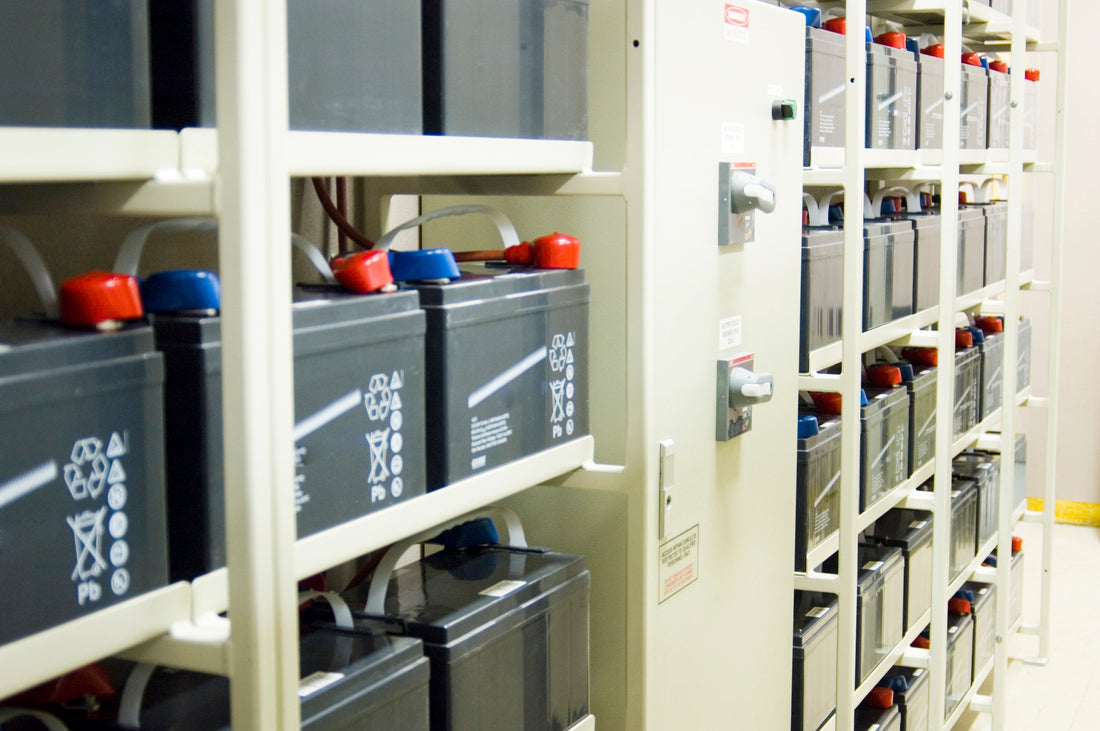
In a traditional DC‑UPS installation, battery capacity degrades over time without visibility until a threshold is reached or a mains failure occurs.
With a network‑enabled Powerbox DC‑UPS, battery performance can be trended, changes in charge behaviour identified, and declining condition flagged early — allowing replacement to be scheduled before failure.
When to Specify a Network‑Enabled DC‑UPS
Network visibility is particularly valuable in:
- Distributed or multi‑building security systems
- Sites with restricted physical access
- Maintenance‑driven service environments
- High‑availability or critical infrastructure applications
- Large installed DC‑UPS bases
- Lifecycle‑optimised system designs
Design Considerations
Relay outputs remain essential for deterministic alarm signalling and should continue to form part of security system design.
However, specifying a DC‑UPS platform such as the PB251A, PB356 or PB358 with embedded diagnostics and network monitoring adds a complementary layer of insight that supports long‑term operational and maintenance performance.
Conclusion
Traditionally, DC‑UPS systems in security applications have been treated as passive components with limited visibility beyond basic alarm states.
As systems become more distributed and operational expectations increase, this approach is no longer sufficient on its own.
The Powerbox PB251A, PB356 and PB358 series combine conventional relay‑based integration with embedded diagnostics and optional network visibility, enabling a transition from reactive fault response to proactive system management.
This approach enhances reliability, reduces operational risk, and improves lifecycle management across modern security deployments.
About the Author
James Rutty is a Director at Powerbox Australia, with over 15 years of experience supporting electronic security installations across Australia and New Zealand. He works closely with integrators, consultants, distributors, and end users to ensure DC power systems are correctly specified, standards-compliant, and reliable in the field.
James, together with the Powerbox team, has helped expand the company's DC-UPS range and related security solutions to support Government, Defence, Critical Infrastructure, Data Centre, and Commercial projects. He works alongside Powerbox's engineering, sales, and technical support teams to ensure product direction and customer outcomes remain aligned with the evolving needs of access control, intrusion detection, and perimeter security applications.
With a national distribution network and locally supported manufacturing, the Powerbox team remains committed to practical, standards-aligned system design. This approach simplifies installation, improves reliability, and supports long-term maintainability across electronic security installations.