Smart Monitoring for Smarter Batteries: Unlocking Polarium’s Modbus Capability
News > Smart monitoring for smarter batteries: unlocking polarium’s modbus capability
BLOGS

Smart Monitoring for Smarter Batteries: Unlocking Polarium’s Modbus Capability

18/03/26 James Rutty


Modern energy storage systems demand more than just capacity and reliability. They require visibility, integration, and control. Polarium’s industrial lithium battery range meets these needs through a well-defined Modbus protocol, enabling operators to integrate batteries seamlessly into their site management and monitoring infrastructure.

Why Modbus Matters

Modbus is one of the most widely adopted communication protocols in industrial and telecommunications power systems. It allows for standardised data exchange between devices such as batteries, site controllers, programmable logic controllers (PLCs), and SCADA systems.

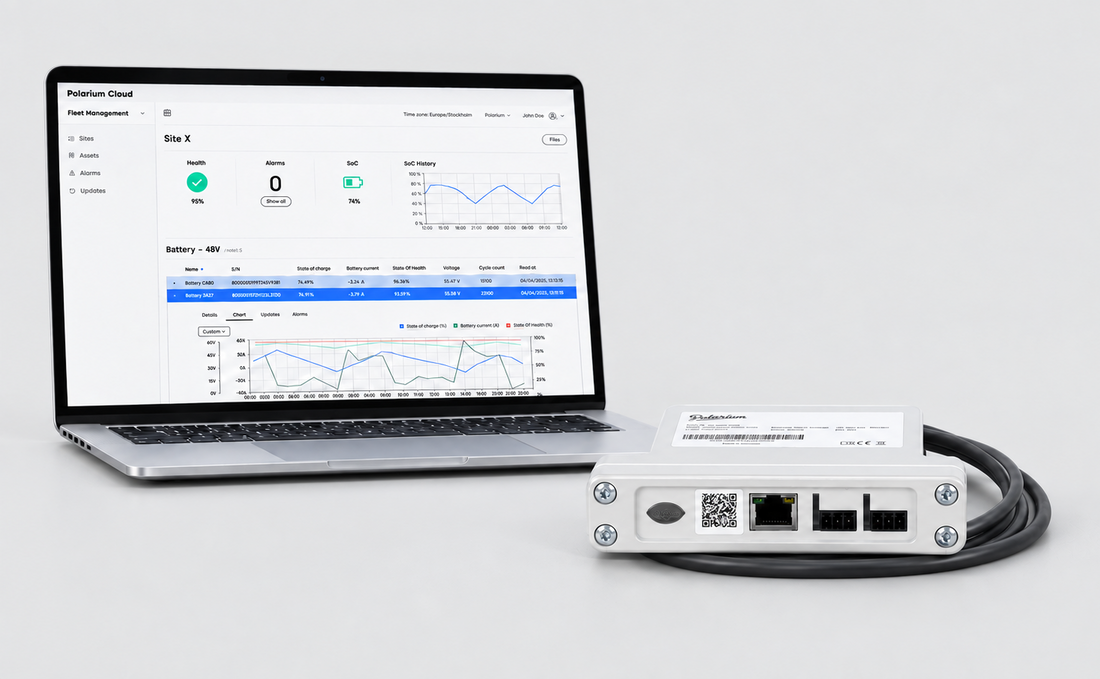
With Polarium’s Modbus support, operators can access over 50 key data points, ranging from cell voltage and temperature to state of charge (SOC), state of health (SOH), event logs, and alarm registers. This level of detail gives network operators, utilities, and industrial customers complete visibility over battery performance, helping to maximise uptime and extend asset life.

Key Monitoring Capabilities

Through the Modbus interface, Polarium batteries provide access to a range of operational data, including:

  • Electrical measurements – Voltage, current, and power at module and system levels.
  • Cell-level data – Individual cell voltages and temperatures for precise diagnostics.
  • SOH and SOC – Accurate reporting of battery health and available capacity.
  • Environmental conditions – Ambient temperature and humidity readings.
  • Event and alarm history – Detailed logs for fault investigation and preventative maintenance.
  • G-force detection – Records events such as drops or impacts that may compromise battery integrity.

These capabilities enable proactive maintenance strategies, allowing site operators to identify and address potential issues before they escalate.

Integration Benefits

With its well-documented Modbus interface, Polarium batteries integrate easily into mixed-vendor energy systems, enabling:

  • Real-time monitoring of distributed assets.
  • Centralised alarm management.
  • Predictive maintenance based on live SOH and environmental trends.
  • Faster fault resolution through detailed diagnostic data.

Critical battery parameters can be monitored directly through a range of site controllers from leading DC power equipment manufacturers, including Eltek, Enetek, Eaton, CE+T, and Vertiv. This feature is applicable only to certain Polarium battery models and can be confirmed upon request. This interoperability ensures that operators can incorporate Polarium batteries into existing infrastructure without the need for custom monitoring solutions.

For a more comprehensive view of key battery parameters, a detailed Modbus register can be provided, allowing you to incorporate advanced monitoring through a PLC. This enables deeper integration into automation and control systems, giving operators greater visibility of battery health, performance, and environmental conditions.

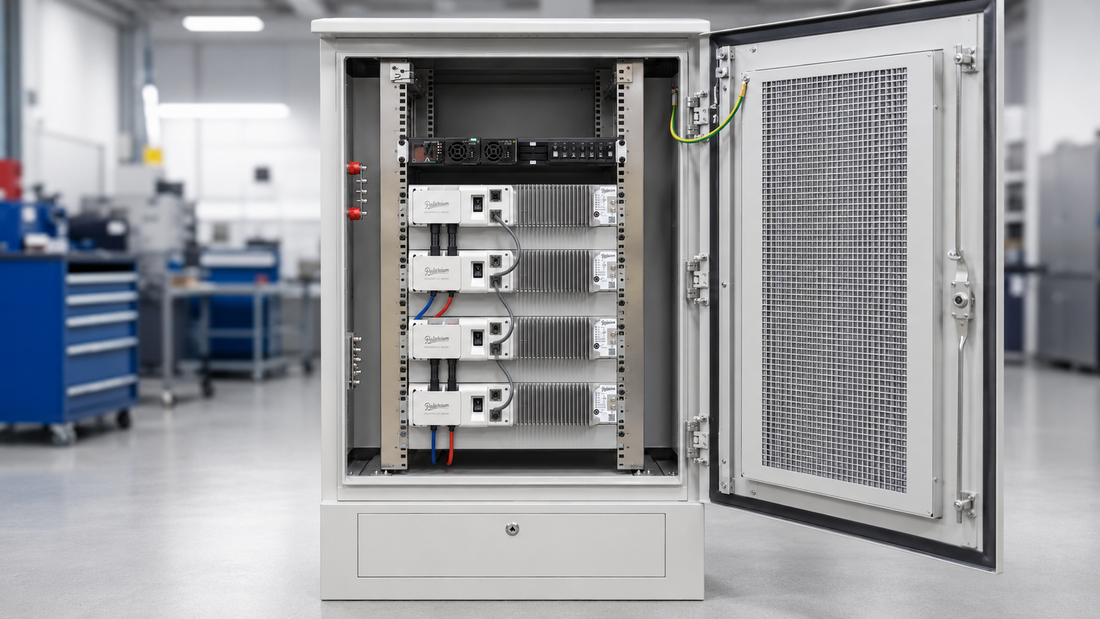
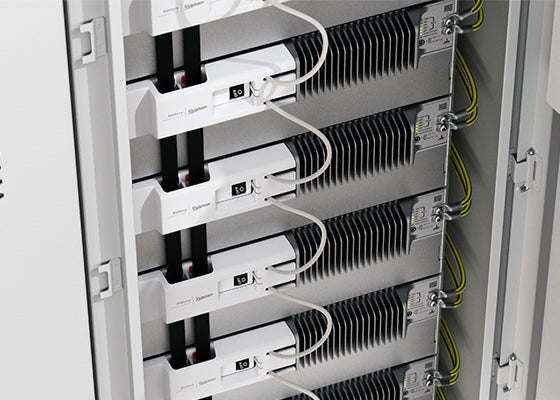
Polarium batteries and Eltek DC Power System Telecom Cabinet

From Local Access to Remote Control

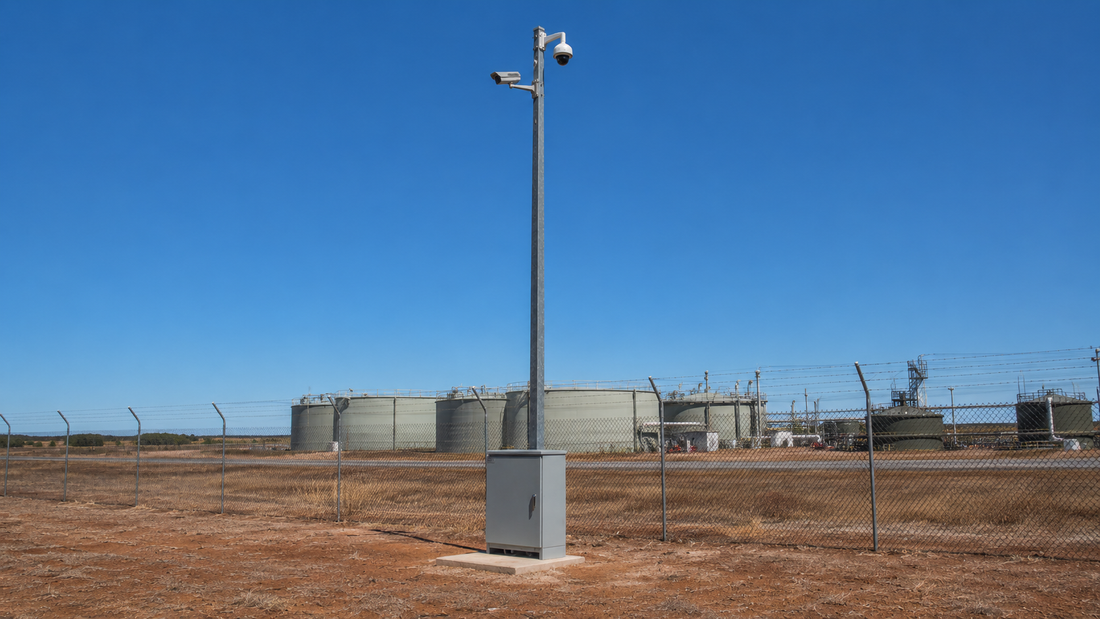
Polarium batteries support both local and remote access to Modbus data. Locally, technicians can connect directly to the battery for configuration and diagnostics. Remotely, Modbus data can be transmitted via the site controller or a dedicated network gateway, enabling centralised fleet management across multiple sites.

Final Thoughts

Polarium’s Modbus integration capability transforms its industrial battery range from a reliable energy source into a smart, connected asset. By giving operators full visibility of performance and condition, it supports safer, more efficient, and more cost-effective energy storage solutions.

Get more from your Polarium batteries. Monitor critical parameters, improve fault detection, and keep your assets performing at their best. Contact Powerbox to explore Modbus integration options for your site.

Frequently Asked Questions

What is Modbus, and why is it used with Polarium batteries?

Modbus is a widely adopted communication protocol used in industrial and telecommunications power systems. It enables standardised data exchange between devices such as batteries, site controllers, PLCs, and SCADA systems. Polarium's industrial lithium batteries support Modbus to give operators seamless integration into their existing site management and monitoring infrastructure.

What data can I access through Polarium's Modbus interface?

Polarium's Modbus interface provides access to over 50 key data points, including cell voltages and temperatures, state of charge (SOC), state of health (SOH), electrical measurements at module and system levels, ambient temperature and humidity, event and alarm history, and g-force detection for impact events.

Which site controllers are compatible with Polarium's Modbus integration?

Polarium batteries can be monitored directly through site controllers from a range of leading DC power equipment manufacturers, including Eltek, Enetek, Eaton, CE+T, and Vertiv. Please note that this capability applies to certain Polarium battery models — contact Powerbox to confirm compatibility for your specific requirements.

Do I need to replace my existing monitoring infrastructure to use Polarium batteries?

No. Polarium's well-documented Modbus interface is designed for easy integration into mixed-vendor energy systems, meaning you can incorporate Polarium batteries into your existing infrastructure without the need for custom monitoring solutions.

Can Polarium batteries be monitored remotely?

Yes. Polarium batteries support both local and remote access to Modbus data. Remotely, Modbus data can be transmitted via a site controller or dedicated network gateway, enabling centralised fleet management across multiple sites from a single location.

What are the benefits of integrating Polarium batteries with a PLC?

A detailed Modbus register can be provided for deeper integration into automation and control systems via a PLC. This gives operators greater visibility of battery health, performance, and environmental conditions, enabling more sophisticated monitoring and control beyond standard site controller capabilities.

How does Modbus integration support maintenance and fault management?

By providing real-time access to detailed diagnostic data — including cell-level readings, SOH trends, environmental conditions, and alarm histories — Modbus integration enables proactive and predictive maintenance strategies. Operators can identify and address potential issues before they escalate, reducing downtime and extending asset life.

How do I get started with Modbus integration for my Polarium batteries?

Contact Powerbox to discuss Modbus integration options for your site. Our team can confirm model compatibility, provide Modbus register documentation, and help you explore the best monitoring solution for your infrastructure.


About The Author

James Rutty is a Director at Powerbox Australia, with over 15 years of experience supporting industry across Australia and New Zealand. He works closely with integrators, consultants, distributors, and end users to ensure DC power systems are correctly specified, standards-compliant, and reliable in the field.

James Rutty grey background 400x400.jpg__PID:9e786899-b3ba-48fe-9e0f-609a013a9ec2

Share Article

Polarium Lithium-ion Batteries

  • background-product
    Polarium SLB48-050-124-2 Bat... The Polarium SLB48-050-124-2 is a 48V 50Ah NMC lithium-ion... View Details
  • background-product
    Polarium SLB48-100-135-5H | ... The Polarium SLB48-100-135-5H is a 48V, 100Ah lithium-ion backup... View Details
  • background-product
    Polarium SLB48-100-135-6 LFP... The Polarium SLB48-100-135-6 is a compact, smart lithium battery... View Details
  • background-product
    Polarium SLB48-150-145-5 48V... Polarium SLB48-150-145-5 is a high-capacity 48 V, 150 Ah... View Details
  • background-product
    Polarium SLB48-150-146-2 Bat... The Polarium SLB48-150-146-2 Battery is a high-capacity energy storage... View Details
  • background-product
    Polarium SLB48-230-146-5 | 4... The Polarium SLB48-230-146-5 is a 48V, 230Ah lithium-ion battery... View Details
  • background-product
    Polarium SLB48-250-146-2 Bat... The Polarium SLB48-250-146-2 Battery is a high-capacity energy storage... View Details
1/ 7

Related News

  • Blogs Medium-voltage switchgear panels in a substation switchroom, powered by a 110V DC auxiliary tripping and protection supply
    Switchgear Tripping & Protection Power Supplies: What 110V/125... 09/11/26
  • Blogs Delta Electronics Americas headquarters exterior, with Delta signage and a glass-fronted entrance.
    Powerbox Insights: Behind the Brand – Delta Electronics 29/10/26
  • Blogs Aerial view of a telecommunications tower and equipment shelters on a rural hilltop surrounded by farmland and rolling hills.
    Did You Know? Polarium Busbar Accessories Make Battery Paralle... 20/10/26
  • Blogs Did You Know? Polarium Connect Alert Adds Additional Layer of Smart Alarming to Remote Sites
    Did You Know? Polarium Connect Alert Adds Additional Layer of ... 16/10/26
  • Blogs Unlocking Battery Data: The Role of the MODBUS-USB Cable in a Polarium Installation
    Unlocking Battery Data: The Role of the MODBUS-USB Cable in a ... 07/10/26
  • Blogs Driving Warehouse Intelligence: DC Motor Solutions for AGVs and AMRs
    Driving Warehouse Intelligence: DC Motor Solutions for AGVs an... 18/08/26
  • Blogs High Performance DC Power in Just 1RU: Getting More Out of the Delta Eltek Flatpack S Platform
    High Performance DC Power in Just 1RU: Getting More Out of the... 10/08/26
  • Blogs Ag-Tech in Motion: Smarter Drives for Smarter Farms
    Ag-Tech in Motion: Smarter Drives for Smarter Farms 07/07/26
  • Blogs AC UPS vs DC-UPS for PoE Security Infrastructure: Why Architecture Matters
    AC UPS vs DC-UPS for PoE Security Infrastructure: Why Architec... 29/06/26
  • Blogs Rethinking Industrial UPS: Long Runtime, Remote Sites, and the Case for a Unified DC Bus
    Rethinking Industrial UPS: Long Runtime, Remote Sites, and the... 23/06/26
  • Blogs Redundancy Terms Demystified: N+1, A+B, 2N and What They Mean for Your DC Power System
    Redundancy Terms Demystified: N+1, A+B, 2N and What They Mean ... 19/06/26
  • Blogs Cincon Ultra-Wide Input DC-DC Converters for Rail Applications
    Cincon Ultra-Wide Input DC-DC Converters for Rail Applications 05/06/26
  • Blogs Did You Know? Polarium Batteries Can Protect Themselves Against Theft
    Did You Know? Polarium Batteries Can Protect Themselves Agains... 22/05/26
  • Blogs Rethinking AC UPS: When Rectiverter Architectures Are a Better Fit for Critical Security Infrastructure
    Rethinking AC UPS: When Rectiverter Architectures Are a Better... 08/05/26
  • Blogs Delta DIN Rail Power Supplies Compared: Chrome vs. Lyte II vs. Force GT
    Delta DIN Rail Power Supplies Compared: Chrome vs. Lyte II vs.... 06/05/26
  • Blogs Why EESS Registration Matters for Security Installers: Understanding the Role of Compliant Power Supplies
    Why EESS Registration Matters for Security Installers: Underst... 01/05/26
  • Blogs Implementing Reliable DC Redundancy with the Camtec RED00202 (R2) 1000W Redundancy Module
    Implementing Reliable DC Redundancy with the Camtec RED00202 (... 31/03/26
  • Blogs Rethinking Emergency Door Release: Jack Fuse Electronic Break Glass in Modern Access Control Systems
    Rethinking Emergency Door Release: Jack Fuse Electronic Break ... 30/03/26
  • Blogs Designing DC-UPS Systems for Proactive Security Maintenance
    Designing DC-UPS Systems for Proactive Security Maintenance 29/03/26
  • Blogs Supplying EFOY Approved Methanol in Australia
    Supplying EFOY Approved Methanol in Australia 20/03/26
  • Blogs Battery Backup Made Simple – The All-in-One ARIS Power DC-UPS
    Battery Backup Made Simple – The All-in-One ARIS Power DC-UPS 12/03/26
  • Blogs AC/AC Frequency Converters Explained: Beyond Transformers
    AC/AC Frequency Converters Explained: Beyond Transformers 05/03/26
  • Blogs Managing Obsolescence in Railway Power Systems: How Schaefer Delivers Long-Term Continuity
    Managing Obsolescence in Railway Power Systems: How Schaefer D... 25/02/26
  • Blogs System-Level Safety and Compliance - Part 5 of Polarium's Five Layers of Safety
    System-Level Safety and Compliance - Part 5 of Polarium's Five... 19/02/26
  • Blogs Brushed vs Brushless DC Motors: Choosing the Right Technology for Your Application
    Brushed vs Brushless DC Motors: Choosing the Right Technology ... 17/02/26
  • Blogs Why Your DIN-Rail Power Supply Matters More Than You Think
    Why Your DIN-Rail Power Supply Matters More Than You Think 03/02/26
  • Blogs Smarter Backup for ISPs: Eltek Rectiverter + Polarium 100Ah Lithium Battery
    Smarter Backup for ISPs: Eltek Rectiverter + Polarium 100Ah Li... 29/01/26
  • Blogs The Eltek Rectiverter Explained: DC Power, AC Backup and Inverter Functionality in One
    The Eltek Rectiverter Explained: DC Power, AC Backup and Inver... 28/01/26
  • Blogs Electrical Protection Devices - Part 4 of Polarium's Five Layers of Safety
    Electrical Protection Devices - Part 4 of Polarium's Five Laye... 16/01/26
  • Blogs Battery Management System (BMS) - Part 3 of Polarium's Five Layers of Safety
    Battery Management System (BMS) - Part 3 of Polarium's Five La... 09/01/26
  • Blogs From Latronics to Premium: Practical Inverter Replacements for 110Vdc Industrial Applications
    From Latronics to Premium: Practical Inverter Replacements for... 08/01/26
  • Blogs Built in Australia, Proven in the Pilbara: The Story of the PBSP-74O Locomotive Inverter Series
    Built in Australia, Proven in the Pilbara: The Story of the PB... 06/01/26
  • Blogs Why the Powerbox PB256 Series Remains the Backbone of Electronic Security & Access Control Installations
    Why the Powerbox PB256 Series Remains the Backbone of Electron... 17/12/25
  • Blogs Module Level Safety - Part 2 of Polarium's Five Layers of Safety
    Module Level Safety - Part 2 of Polarium's Five Layers of Safety 09/12/25
  • Blogs Cell Level Safety - Part 1 of Polarium's Five Layers of Safety
    Cell Level Safety - Part 1 of Polarium's Five Layers of Safety 02/12/25
  • Blogs Catenary Power Conversion: Rethinking How We Power Onboard & Wayside Equipment
    Catenary Power Conversion: Rethinking How We Power Onboard & W... 27/11/25
  • Blogs Five Layers of Safety in Polarium Lithium-Ion Batteries
    Five Layers of Safety in Polarium Lithium-Ion Batteries 17/11/25
  • Blogs Rethinking Backup Power: How Mixing Lithium and Lead Acid Extends Telecom Site Runtime
    Rethinking Backup Power: How Mixing Lithium and Lead Acid Exte... 11/11/25
  • Blogs LFP vs NMC: Choosing the Right Battery Chemistry for Your Application
    LFP vs NMC: Choosing the Right Battery Chemistry for Your Appl... 28/08/25
  • Blogs What ‘Support for Eltek’ Really Means at Powerbox
    What ‘Support for Eltek’ Really Means at Powerbox 11/08/25
  • Blogs Designing DC-UPS Systems with the compact Eltek MicroPack
    Designing DC-UPS Systems with the compact Eltek MicroPack 24/07/25
  • Blogs Smart Fuse Protection for Security Cabling: Inside the Jack Fuse Power Port™ Range
    Smart Fuse Protection for Security Cabling: Inside the Jack Fu... 13/06/25
  • Blogs Where Solar Falls Short, Fuel Cells Deliver: Winter Backup for CCTV
    Where Solar Falls Short, Fuel Cells Deliver: Winter Backup for... 30/05/25
  • Blogs Ensuring Reliable Control Systems in Water Utilities with DC-UPS Solutions
    Ensuring Reliable Control Systems in Water Utilities with DC-U... 28/05/25
  • Blogs What Size Inverter Do I Need For Industrial Applications?
    What Size Inverter Do I Need For Industrial Applications? 20/05/25
  • Blogs Solving Security Challenges in Healthcare with Powerbox
    Solving Security Challenges in Healthcare with Powerbox 17/01/25
  • Blogs Polyamp PM Series DC/DC Converters
    Polyamp PM Series DC/DC Converters 10/09/24
1/ 47